Why Does My Knee Hurt When I Bend It and Straighten It? Causes, Treatment, and Complete Recovery Guide
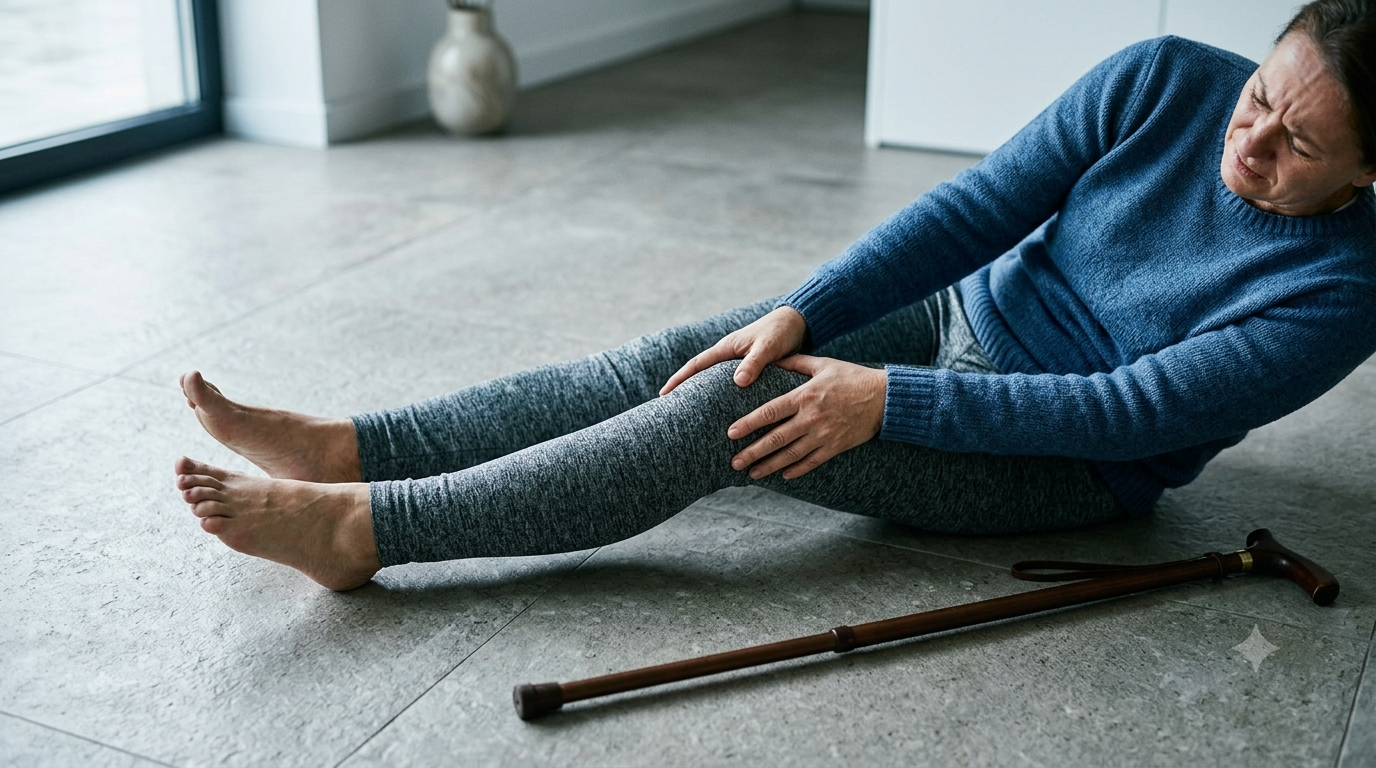
If you’ve ever caught yourself wincing while climbing stairs, sitting down, or simply getting up from a chair, you already know how disruptive this problem can be. The question “my knee hurts when I bend it and straighten it” is one of the most frequently searched health concerns today, and for good reason — the knee is one of the most heavily used joints in the human body, absorbing pressure with nearly every movement we make. Whether you’re an athlete, an office worker, a homemaker, or a senior citizen managing age-related wear and tear, this discomfort can quietly creep into daily life and affect mobility, productivity, and overall quality of life.
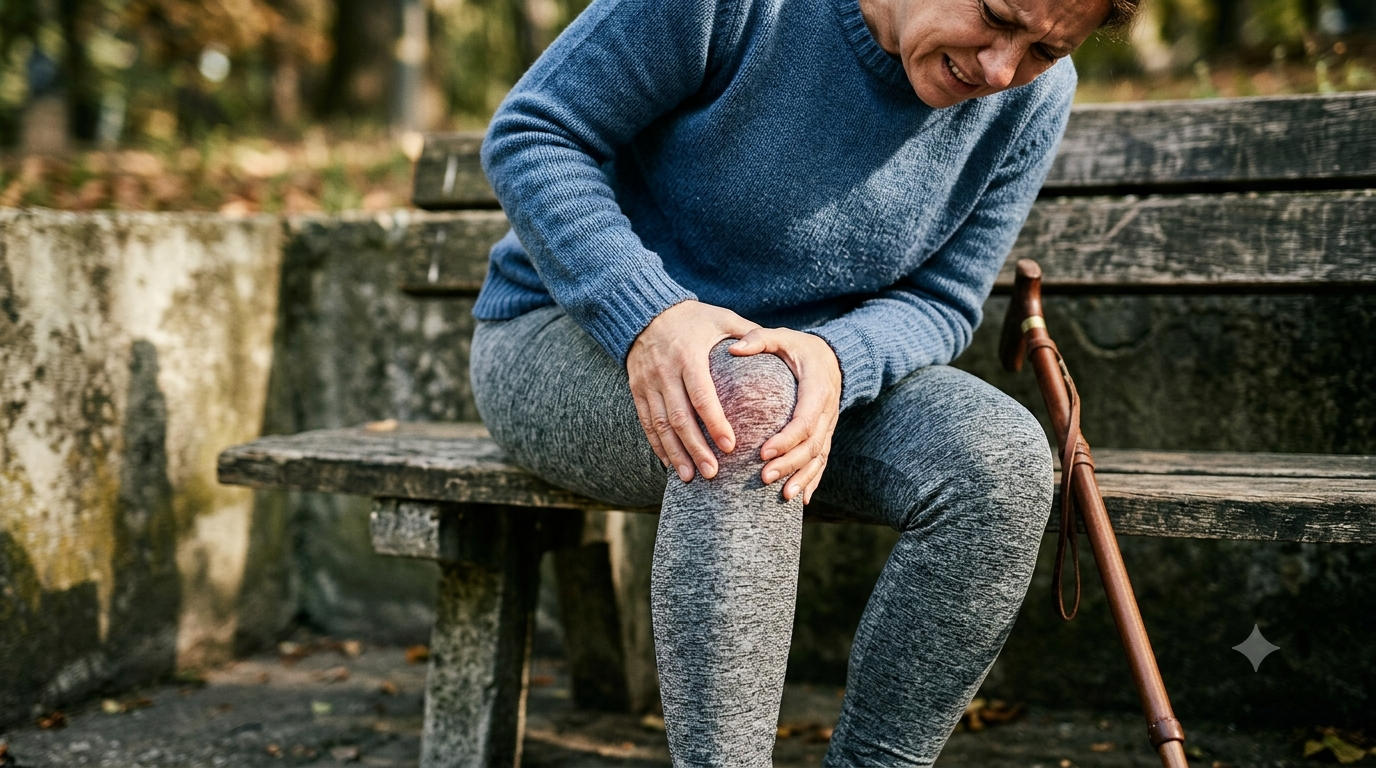
This comprehensive guide explores everything you need to know when you say, “my knee hurts when I bend it and straighten it” — from the anatomy behind the pain to the historical evolution of orthopedic treatment, common and rare causes, diagnostic approaches, home remedies, medical interventions, regional healthcare access patterns, real recovery stories, and a look at what the future holds for joint care. By the end, you’ll have a clear, actionable understanding of why this happens and what you can do about it.
Understanding Why the Knee Hurts When Bending and Straightening
The knee joint is a complex hinge structure formed by the femur (thighbone), tibia (shinbone), and patella (kneecap), all connected by ligaments, tendons, cartilage, and a network of muscles that allow smooth, pain-free movement. When someone says, “my knee hurts when I bend it and straighten it,” they are describing a mechanical or inflammatory disruption somewhere in this system. The pain could originate from the cartilage that cushions the bones, the ligaments that stabilize the joint, the tendons that connect muscle to bone, or the synovial fluid that lubricates the entire structure.
Bending (flexion) and straightening (extension) are the two primary movements of the knee, and both require different muscle groups and structural components to work in harmony. If even one part of this system is compromised — through injury, overuse, degeneration, or inflammation — pain during these specific movements becomes noticeable. This is why the complaint “my knee hurts when I bend it and straighten it” is so common; it pinpoints a functional problem rather than a vague, constant ache, which actually helps doctors narrow down the potential cause much faster.
A Brief History of Knee Pain Research and Orthopedic Treatment
Knee pain is not a modern phenomenon. Ancient Egyptian medical texts dating back thousands of years describe joint stiffness and swelling in laborers, while Hippocrates himself documented methods for treating dislocated and swollen knees using manual traction. For centuries, treatment options remained largely limited to rest, herbal poultices, and splinting.
The real transformation in orthopedic understanding began in the late nineteenth and early twentieth centuries with the advent of X-ray imaging, which allowed physicians to visualize bone structure for the first time without invasive exploration. This was followed by advances in arthroscopic surgery in the mid-twentieth century, giving surgeons the ability to look directly inside the joint using minimally invasive cameras. Today, with MRI, ultrasound-guided diagnostics, regenerative medicine, and robotic-assisted knee replacement surgery, patients who once had no options for chronic joint pain now have access to highly effective, evidence-based treatments. Understanding this evolution matters because it shows how far diagnostic accuracy has come — what used to be dismissed as “just old age” is now precisely diagnosed and treated.
Common Causes When Your Knee Hurts While Bending and Straightening
There isn’t a single explanation for this issue; rather, it results from a combination of possible structural, inflammatory, or lifestyle-related factors. Below are the most frequently diagnosed causes.
Ligament Injuries and Instability
The knee relies on four major ligaments — the ACL, PCL, MCL, and LCL — to maintain stability during movement. A sprain, partial tear, or complete rupture of any of these ligaments, often caused by sudden twisting, sports injuries, or falls, can make bending and straightening extremely painful. In many cases, people report that their knee hurts when they bend it and straighten it specifically after an awkward pivot or a sports-related impact, which is a strong indicator of ligament involvement.
Meniscus and Cartilage Damage
The meniscus is a C-shaped piece of cartilage that cushions the knee joint. Tears in this cartilage, whether from acute trauma or gradual degeneration, are one of the leading reasons people experience sharp pain during flexion and extension. Meniscus tears often come with a clicking or locking sensation, and the pain typically intensifies at the extreme ends of bending and straightening motions.
Osteoarthritis and Joint Degeneration
Osteoarthritis is a progressive condition where the protective cartilage in the joint gradually wears away, leading to bone-on-bone friction. This is one of the most common reasons older adults say their knee hurts when they bend it and straighten it, especially in the mornings or after prolonged periods of sitting. Osteoarthritis affects millions of people worldwide, and interestingly, medical research shows a higher prevalence among women, particularly post-menopause, due to hormonal changes affecting bone density and joint cartilage.
Patellofemoral Pain Syndrome
Often referred to as “runner’s knee,” this condition occurs when the kneecap doesn’t track properly along the groove of the femur. It’s especially common among younger, physically active individuals and can cause a dull, aching pain right around or behind the kneecap that worsens with bending motions like squatting, kneeling, or climbing stairs.
Tendinitis and Overuse Injuries
Repeated stress on the patellar or quadriceps tendon — common in athletes, dancers, and people with physically demanding jobs — can cause inflammation known as tendinitis. This typically results in localized pain just below or above the kneecap, which becomes more pronounced during bending and straightening, particularly during jumping or squatting movements.
Bursitis
Small fluid-filled sacs called bursae cushion the knee joint. When these become inflamed due to repetitive kneeling, direct trauma, or infection, the resulting bursitis can cause swelling and pain that intensifies with movement, especially deep bending.
Post-Surgical or Post-Injury Stiffness
For individuals recovering from a previous knee surgery, fracture, or ligament reconstruction, scar tissue and reduced flexibility can also be a reason the knee hurts when bending and straightening, particularly during the rehabilitation phase.
Symptoms That Often Accompany This Type of Knee Pain
While the primary complaint is discomfort during flexion and extension, several accompanying symptoms can help identify the underlying cause. Swelling around the joint often signals inflammation or fluid buildup, while a popping or clicking sound may point toward cartilage or ligament involvement. Stiffness, particularly after long periods of inactivity, is a hallmark of arthritis-related conditions. Warmth and redness around the joint may indicate an inflammatory or infectious process, while a sensation of the knee “giving way” strongly suggests ligament instability. Recognizing these accompanying signs is crucial, because when someone says their knee hurts when they bend it and straighten it, doctors rely heavily on these secondary symptoms to differentiate between mechanical, inflammatory, and degenerative causes.
How Doctors Diagnose the Underlying Cause
Diagnosis typically begins with a detailed physical examination, where the doctor assesses range of motion, swelling, tenderness, and joint stability through specific manual tests. Patients are usually asked to describe exactly when the pain occurs — for instance, many describe that their knee hurts when they bend it and straighten it but feels fine at rest, which helps rule out certain inflammatory conditions that cause constant pain regardless of movement.
Imaging plays a critical role in confirming a diagnosis. X-rays are useful for identifying bone spurs, joint space narrowing, and arthritis, while MRI scans provide detailed images of soft tissue structures like ligaments, tendons, and cartilage, making them the gold standard for diagnosing meniscus tears or ligament ruptures. In some cases, doctors may also perform a joint aspiration, withdrawing fluid from the knee to check for infection, gout, or inflammatory arthritis. Blood tests may be ordered if an autoimmune or inflammatory condition, such as rheumatoid arthritis, is suspected.
Treatment Options and Implementation of an Effective Care Plan
Once a diagnosis is made, treatment implementation depends heavily on the severity and root cause of the condition. The good news is that the vast majority of cases — especially mild to moderate ones — respond extremely well to conservative, non-surgical management.
Home Remedies and Self-Care Strategies
For many people, especially those with mild strain or overuse-related discomfort, simple home care can bring significant relief. The RICE method — rest, ice, compression, and elevation — remains one of the most effective first-line approaches for reducing swelling and pain within the first 48 hours of onset. Over-the-counter anti-inflammatory medication can help manage pain and swelling in the short term, though long-term use should always be guided by a healthcare provider. Gentle stretching, maintaining a healthy body weight to reduce joint load, and avoiding activities that aggravate the pain, such as deep squatting or prolonged kneeling, are equally important. Many people find that when their knee hurts when they bend it and straighten it, low-impact activities like swimming or cycling actually help maintain mobility without adding stress to the joint.
Physical Therapy and Structured Rehabilitation
Physical therapy is often the cornerstone of long-term recovery, particularly for ligament injuries, tendinitis, and post-surgical stiffness. A trained physiotherapist designs a customized rehabilitation plan that typically includes targeted strengthening exercises for the quadriceps and hamstrings, flexibility training, balance and proprioception drills, and gradual reintroduction of functional movements. Consistency is key here — most patients notice measurable improvement within four to six weeks of committed physical therapy, though full recovery timelines vary based on the severity of the underlying condition.
Medical and Surgical Interventions
When conservative treatment doesn’t provide adequate relief, or when structural damage is significant, medical intervention becomes necessary. Corticosteroid injections can offer short-term relief from inflammation, while hyaluronic acid injections are sometimes used to improve joint lubrication in arthritis patients. For more advanced cases involving torn ligaments, severe meniscus damage, or advanced osteoarthritis, arthroscopic surgery or total knee replacement may be recommended. Modern robotic-assisted and minimally invasive surgical techniques have significantly improved recovery times and outcomes compared to traditional open surgery, allowing many patients to resume normal activity within a few months.
Regional and Lifestyle Impact on Knee Health
Interestingly, the prevalence and management of knee pain vary considerably based on regional lifestyle patterns, occupational demands, and climate. In colder regions, joint stiffness tends to be more pronounced, with many patients reporting that their knee hurts when they bend it and straighten it more intensely during winter months due to reduced blood circulation and lower barometric pressure affecting joint fluid. In warmer, humid regions, swelling-related discomfort tends to be more common. Occupational patterns also play a significant role — populations engaged in agriculture, construction, or other physically demanding rural livelihoods often show higher rates of early-onset joint degeneration due to repetitive kneeling, squatting, and heavy lifting, compared to urban desk-based populations who are more prone to stiffness from prolonged sitting.
This regional impact extends into how healthcare systems are structured to respond to joint-related conditions. In many developing regions, access to specialized orthopedic care remains uneven, with urban centers offering advanced diagnostic and surgical facilities while rural areas often depend on primary healthcare centers with limited orthopedic infrastructure. This gap has prompted several public health policy frameworks aimed at improving accessibility.
The Role of Public Health Policy and State-Wise Healthcare Access
Governments across various countries have increasingly recognized musculoskeletal and joint health as a public health priority, given the rising incidence of arthritis and knee-related complaints among aging populations. In India, for example, national health insurance frameworks such as Ayushman Bharat have expanded coverage for orthopedic consultations and, in select cases, joint replacement surgeries for economically weaker sections, particularly benefiting rural development goals by bringing specialist care closer to underserved populations.
State-wise benefits under these social welfare initiatives vary considerably, with some states offering additional subsidies for elderly citizens seeking joint care through state-run hospitals, while others have integrated mobile health camps to screen rural populations for early signs of arthritis and joint degeneration. These policy frameworks are gradually narrowing the rural-urban gap in access to physiotherapy, diagnostic imaging, and orthopedic consultations. Additionally, several public health awareness campaigns — often intersecting with broader women empowerment schemes — have specifically targeted joint health education for women, given the higher documented prevalence of osteoarthritis among women, particularly after the age of 45. These initiatives aim to improve early diagnosis and reduce the long-term disability burden associated with untreated knee conditions, especially in communities where healthcare-seeking behavior for joint pain has historically been delayed due to normalized attitudes toward aging-related discomfort.
Success Stories: Real Recovery Journeys
Recovery stories offer valuable insight into how effective, timely treatment can be. Consider the case of a 52-year-old schoolteacher who, for nearly two years, told her doctor that her knee hurt when she bent it and straightened it, especially while climbing the stairs to her classroom. After an MRI revealed early-stage osteoarthritis with mild meniscus wear, she began a structured physiotherapy program combined with weight management and anti-inflammatory dietary changes. Within four months, her pain had reduced by nearly 80 percent, and she was able to resume her daily routine without discomfort.
In another instance, a young amateur footballer experienced sudden, sharp pain after a twisting injury during a match, immediately noticing that his knee hurt when he bent it and straightened it, accompanied by visible swelling. An MRI confirmed a partial ACL tear. Following arthroscopic reconstruction surgery and six months of dedicated rehabilitation, he returned to competitive play with full knee function restored. These stories underscore an important truth: while the underlying causes vary dramatically, early diagnosis and consistent adherence to treatment plans consistently lead to positive, often complete, recovery outcomes.
Comparing Traditional Remedies with Modern Medical Approaches
Traditional and home-based remedies — such as warm oil massages, herbal compresses, and rest-based recovery — have been used for generations to manage joint discomfort, and they still hold value for mild, temporary strain. However, when compared with modern evidence-based treatment approaches like physiotherapy, targeted anti-inflammatory protocols, and minimally invasive surgical techniques, the difference in long-term outcomes is substantial. Traditional remedies often provide temporary symptomatic relief without addressing the structural root cause, whereas modern diagnostic tools like MRI and ultrasound allow for precise identification of the problem, enabling targeted, lasting solutions.
That said, the most effective care plans today often blend both worlds — incorporating traditional practices like gentle massage and heat therapy alongside evidence-based physiotherapy and, when necessary, medical intervention. This integrated approach tends to yield better patient satisfaction and adherence, particularly among older populations who are more comfortable combining familiar traditional practices with modern medical guidance.
Challenges in Long-Term Knee Pain Management
Despite significant advances in diagnosis and treatment, several challenges persist. One major issue is delayed diagnosis, as many people dismiss early symptoms, assuming the discomfort will resolve on its own, only seeking medical attention once the condition has progressed significantly. Financial constraints also remain a barrier, particularly for surgical interventions like joint replacement, which can be costly without adequate insurance coverage. Inconsistent adherence to physiotherapy programs is another common challenge, as recovery requires sustained commitment over weeks or months, and many patients discontinue exercises once initial pain subsides, increasing the risk of recurrence.
Additionally, the psychological impact of chronic joint pain is often underestimated. Persistent discomfort that limits mobility can lead to reduced physical activity, weight gain, and in some cases, feelings of frustration or low mood, creating a cycle that further exacerbates the physical condition. Addressing these challenges requires a holistic approach that combines medical treatment with patient education, financial accessibility through insurance and welfare schemes, and consistent follow-up care.
Prevention Strategies to Protect Your Knees
Prevention remains far more effective than treatment, and several lifestyle adjustments can significantly reduce the risk of developing knee pain during bending and straightening movements. Maintaining a healthy body weight reduces the mechanical load placed on the joint with every step. Regular low-impact exercise, such as walking, swimming, or cycling, helps strengthen the muscles surrounding the knee without causing excessive strain. Incorporating proper warm-up and stretching routines before physical activity reduces the risk of sudden ligament or tendon injuries.
Wearing appropriate, supportive footwear, avoiding prolonged periods of kneeling or squatting without breaks, and ensuring adequate intake of calcium, vitamin D, and anti-inflammatory nutrients also contribute meaningfully to long-term joint health. For individuals with occupational risk factors, such as those in physically demanding rural or industrial jobs, using proper protective gear and taking regular movement breaks can significantly delay the onset of joint degeneration.
Future Prospects in Knee Pain Research and Treatment
The future of knee pain management looks increasingly promising, driven by rapid advancements in regenerative medicine, biomechanics, and personalized healthcare. Stem cell therapy and platelet-rich plasma (PRP) treatments are showing encouraging results in promoting cartilage repair, potentially reducing the need for invasive surgery in early to moderate cases. Wearable technology and AI-powered movement analysis tools are also emerging, allowing for earlier detection of gait abnormalities and joint stress patterns before pain even becomes noticeable.
On the policy front, there is growing momentum toward integrating musculoskeletal health more comprehensively into national social welfare initiatives, with an emphasis on preventive screening rather than reactive treatment. As telemedicine continues to expand, particularly benefiting rural development efforts, patients in remote areas are gaining easier access to orthopedic specialists through virtual consultations, reducing the historical rural-urban divide in quality healthcare access. Combined with continued research into personalized treatment protocols based on genetic and lifestyle factors, the coming decade promises more precise, accessible, and effective solutions for anyone whose knee hurts when they bend it and straighten it.
Final Thoughts
Experiencing pain when bending and straightening your knee is a common but highly manageable condition when addressed early and appropriately. From ligament injuries and cartilage wear to arthritis and overuse syndromes, the underlying causes are diverse, but modern diagnostic tools and treatment approaches offer highly effective, evidence-based solutions. Whether through home care, structured physiotherapy, or medical intervention, most people find substantial relief with the right approach. Combined with growing public health infrastructure, improved regional healthcare access, and continued medical innovation, the outlook for anyone dealing with this issue has never been more positive. If your knee hurts when you bend it and straighten it persistently, don’t dismiss it — timely evaluation and a proactive treatment plan can make all the difference in restoring pain-free movement.