
What Is the Biblical Meaning of Snakes in a Dream?
Dreams have fascinated humanity since the earliest recorded civilizations, and few dream symbols carry as much weight, mystery, and controversy as the snake. If you have recently woken up shaken after seeing a serpent slither through your sleep, you are far from alone. Millions of people search every year to understand the biblical meaning of snakes in a dream, what is the biblical meaning of snakes in a dream?, a spiritual message, or simply a random firing of the subconscious mind. In Scripture, snakes are rarely neutral. They appear at pivotal moments—from the Garden of Eden to the wilderness journeys of Moses—carrying symbolism that ranges from deception and danger to healing and transformation. This article offers a comprehensive, in-depth exploration of what the Bible actually says about serpents, how ancient and modern believers have interpreted snake dreams, and how you can discern what your own dream might be trying to tell you.
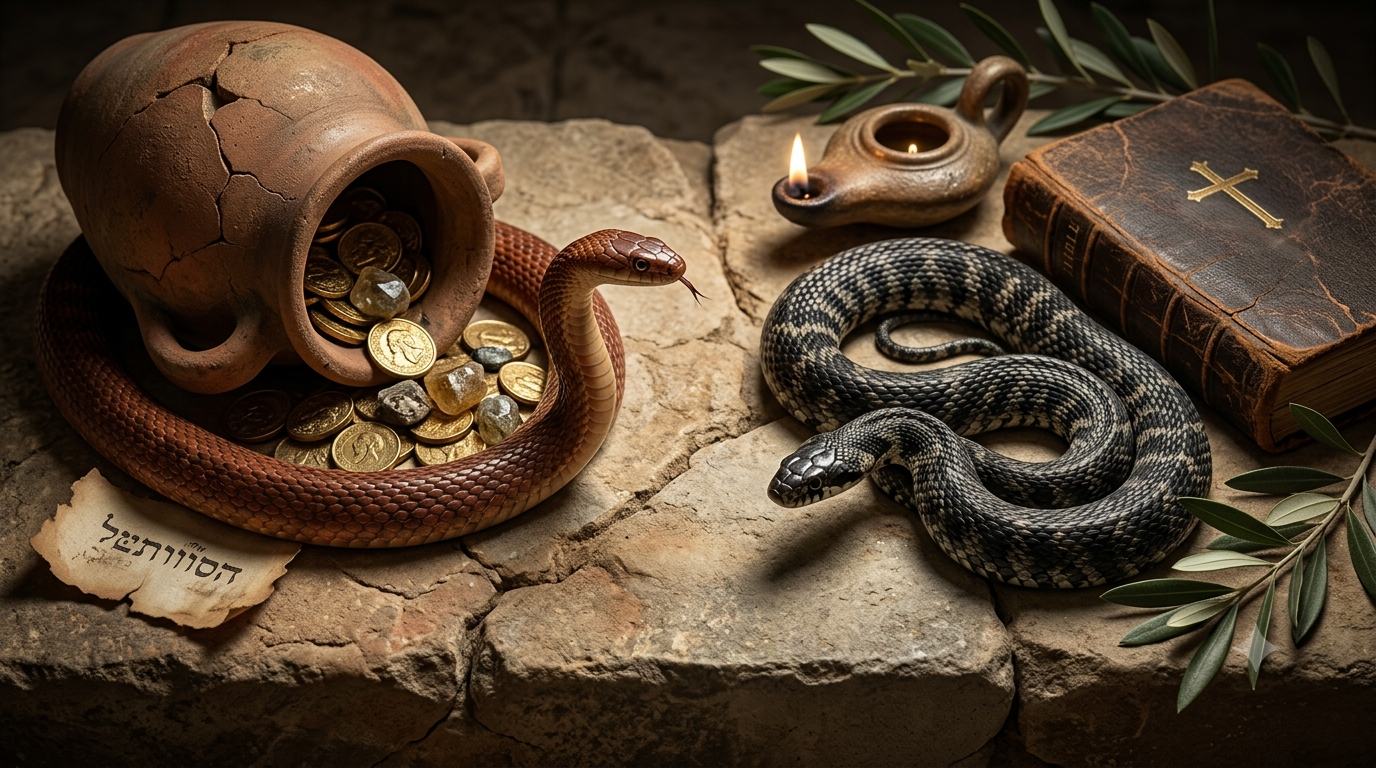
Understanding the biblical meaning of snakes in a dream requires more than a quick internet search or a one-line definition. It requires looking at the full arc of biblical history, examining the cultural context in which these symbols were written, and applying sound spiritual discernment rather than fear-based assumptions. Whether you dreamed of a single snake coiled at your feet, a venomous bite, or a pit crawling with serpents, this guide will walk you through every major interpretation so you can approach your dream with clarity instead of anxiety.
Understanding Dreams Through a Biblical Lens
Long before psychology gave us frameworks for understanding the subconscious mind, ancient societies—including the Israelites—believed dreams were a legitimate channel through which the divine could communicate with humanity. The Bible itself is full of dream narratives that shaped the destiny of entire nations. Joseph interpreted Pharaoh’s dreams of fat and lean cattle to prepare Egypt for famine. Daniel deciphered King Nebuchadnezzar’s troubling visions of a towering statue. Even Joseph, the earthly father of Jesus, received divine instruction through dreams warning him to flee to Egypt.
This tradition establishes an important foundational principle: in a biblical worldview, dreams are not dismissed as meaningless noise. They can carry prophetic weight, serve as warnings, or reveal the state of a person’s heart and spiritual life. That said, Scripture also cautions believers against becoming obsessive or superstitious about dream interpretation, reminding us that not every dream carries cosmic significance. Some dreams are simply the mind processing daily stress, fear, or unresolved emotion. This balanced approach—taking dreams seriously without treating every image as a divine oracle—is essential when exploring the biblical meaning of snakes in a dream.
Because symbols in Scripture are consistent across many books and eras, understanding how snakes are portrayed throughout the biblical narrative gives us a reliable framework for interpreting what a serpent might represent in a modern dream.
The Symbolism of Snakes Throughout Biblical History
To fully grasp the biblical meaning of snakes in a dream, it helps to trace how serpents are portrayed from Genesis to Revelation. The snake is one of the most consistently referenced creatures in the entire Bible, and its symbolism evolves depending on the narrative context.
Snakes in the Garden of Eden
The most iconic serpent reference appears in the very first book of the Bible. In the Garden of Eden, a cunning serpent deceives Eve into eating from the tree of the knowledge of good and evil, leading to humanity’s fall from divine grace. This narrative cements the snake as a symbol of temptation, deception, and cunning manipulation. When people dream of being approached, tempted, or manipulated by a snake, many spiritual teachers trace this imagery directly back to the Eden account, suggesting the dream may be highlighting an area of life where the dreamer is being tempted toward compromise, dishonesty, or a poor decision disguised as something desirable.
Snakes as Symbols of Wisdom and Discernment
Interestingly, not every biblical reference to serpents is negative. In the Gospel of Matthew, Jesus instructs his disciples to be “wise as serpents and innocent as doves” when sending them out into a hostile world. This passage introduces a fascinating duality: the snake can represent shrewdness, discernment, and the ability to navigate complex or dangerous situations wisely. When exploring the biblical meaning of snakes in a dream, this verse suggests that some snake dreams may not be warnings at all, but rather an invitation to develop sharper discernment, especially in relationships or decisions where naivety could be costly.
The Bronze Serpent and Healing Symbolism
Another pivotal moment occurs in the Book of Numbers, when the Israelites, complaining against God during their wilderness journey, are afflicted by venomous snakes. Moses is instructed to craft a bronze serpent and lift it on a pole; anyone who looked upon it was healed. This story is later referenced by Jesus himself in the Gospel of John, drawing a parallel between the bronze serpent and his own crucifixion as a source of spiritual healing and salvation. This narrative introduces a redemptive angle to serpent symbolism—transforming an image of judgment into one of restoration. Dreamers who see a snake associated with healing, protection, or transformation may be tapping into this deeper redemptive layer of biblical symbolism rather than a purely negative one.
Snakes as Symbols of Danger, Evil, and Spiritual Warfare
Throughout the Psalms and prophetic books, serpents are frequently used as metaphors for enemies, evildoers, and spiritual danger. The imagery of being surrounded by snakes, stepping on serpents, or being protected from their venom recurs as a picture of divine protection amid hostile circumstances. In the Book of Revelation, the serpent is explicitly identified with Satan himself, described as “that ancient serpent called the devil.” This connection cements the snake, in certain contexts, as a symbol of spiritual opposition, hidden enemies, or evil influence working behind the scenes.
Common Biblical Meanings of Snakes in a Dream
Now that we have surveyed the broader scriptural foundation, let’s explore the specific and most searched interpretations tied to the biblical meaning of snakes in a dream. These interpretations are commonly discussed among pastors, dream analysts, and spiritual counselors who blend scriptural literacy with pastoral sensitivity.
A Warning Against Temptation or Compromise
One of the most frequently cited interpretations is that a snake dream serves as a spiritual alarm bell, warning the dreamer against an approaching temptation. This could relate to a relationship, a financial decision, a workplace opportunity, or even a subtle compromise in personal values. Just as the serpent approached Eve with persuasive, half-true reasoning, a snake in your dream may be nudging you to examine whether something currently appealing in your waking life carries hidden consequences.
A Sign of Hidden Enemies or Betrayal
Because snakes often move silently and strike without warning, many interpret them as representing people or situations that are not what they appear to be on the surface. Dreaming of a snake hiding in the grass, under furniture, or disguised in an unexpected place is frequently associated with betrayal, gossip, or an enemy operating covertly. This interpretation draws heavily from Old Testament imagery where serpents symbolize adversaries lying in wait.
Spiritual Transformation and Renewal
Snakes shed their skin periodically throughout their lives, and this natural biological process has become a widely recognized symbol of transformation, renewal, and shedding old habits or seasons of life. While this symbolism is more commonly associated with broader spiritual and psychological traditions than direct biblical text, many Christian dream interpreters incorporate it when the dream context feels peaceful rather than threatening. A snake dream that leaves you feeling empowered rather than afraid may point toward a season of spiritual growth, renewal, or a necessary “shedding” of old mindsets, relationships, or sin patterns.
Being Bitten by a Snake in a Dream
Few dream images provoke more anxiety than the sensation of being bitten by a snake. Within a biblical framework, a snakebite dream is often interpreted as a sign that some form of harm, deception, or spiritual attack has already made contact with the dreamer’s life—perhaps through gossip, a bad decision already made, or an emotional wound inflicted by someone close. Some interpreters view this as a call to seek healing and restoration, echoing the bronze serpent narrative where affliction is met with divine remedy rather than despair.
Killing a Snake in a Dream
Conversely, dreaming of killing, crushing, or overcoming a snake is widely regarded as one of the most positive variations of this dream symbol. This imagery echoes the very first prophetic statement in Genesis, where God declares that the offspring of the woman will crush the serpent’s head. Dreamers who successfully defeat a snake in their dream often interpret this as a sign of victory over temptation, breakthrough after a season of spiritual struggle, or triumph over an enemy or difficult circumstance.
Multiple Snakes or a Pit of Snakes
Dreaming of numerous snakes, a nest, or a pit filled with serpents often intensifies whatever core message the dream carries. This imagery can represent overwhelming temptation, a season surrounded by multiple hidden threats, or spiritual warfare on several fronts simultaneously. In more encouraging interpretations, surviving or escaping a den of snakes unharmed is seen as evidence of divine protection during an especially turbulent chapter of life.
The Significance of Snake Color and Behavior
Many dream interpreters, particularly within charismatic and Pentecostal traditions, place emphasis on the color and behavior of the snake as an added layer of meaning. A black snake is often associated with hidden danger, grief, or an unseen threat. A green snake may be linked to jealousy, greed, or financial temptation. A snake shedding its skin peacefully, without aggression, is generally viewed as symbolic of positive transformation rather than danger. While these color-based interpretations are not drawn directly from specific Bible verses, they have become a popular extension of biblical symbolism within contemporary dream-interpretation communities, and many people researching the biblical meaning of snakes in a dream find this layer of detail helpful for personalizing their interpretation.
Old Testament Versus New Testament Interpretations
An important nuance when exploring the biblical meaning of snakes in a dream is recognizing that the Old and New Testaments emphasize slightly different aspects of serpent symbolism. The Old Testament tends to frame snakes primarily through the lens of judgment, temptation, and consequence—the Eden narrative, the fiery serpents in the wilderness, and prophetic warnings against enemies all lean toward caution and correction. The New Testament, while still acknowledging the serpent’s association with evil (most explicitly in Revelation), introduces more nuance, particularly through Jesus’s teaching about being “wise as serpents.” This shift suggests that by the time of the New Testament, serpent symbolism had expanded beyond pure danger to include the idea of sanctified wisdom—discernment that is guided by godly character rather than manipulation. When interpreting a personal dream, considering which testament’s tone your dream more closely resembles—cautionary or wisdom-oriented—can offer helpful direction.
Psychological Versus Spiritual Interpretation
It would be incomplete to discuss the biblical meaning of snakes in a dream without acknowledging the psychological perspective that runs parallel to spiritual interpretation. Renowned psychologist Carl Jung viewed the snake as an archetype of the unconscious mind, representing primal fear, transformation, or repressed instinct. Sigmund Freud, by contrast, associated snake imagery with anxiety and suppressed desire. These frameworks are not necessarily in conflict with biblical interpretation; rather, they offer a complementary lens. A person of faith might reasonably conclude that a snake dream reflects both a psychological processing of real-life stress and a spiritual prompting from God to pay closer attention to a particular area of life. Rather than treating these two approaches as competing, many pastors and Christian counselors encourage believers to hold them together, using psychological insight to understand the emotional roots of the dream while using biblical symbolism to discern any deeper spiritual message.
Cultural and Historical Context Across Traditions
Serpent symbolism is not unique to biblical literature. Ancient Egyptian, Mesopotamian, and Greek traditions all attached significant—and often very different—meanings to snakes, ranging from divine protection to medicinal healing, as seen in the Greek symbol of Asclepius, the serpent-entwined staff still used in medical iconography today. Understanding this broader cultural backdrop helps explain why the biblical authors, writing within a shared ancient Near Eastern context, chose serpent imagery so deliberately. In Egypt, where the Israelites had been enslaved, the cobra was a symbol of royal and divine power, closely tied to Pharaoh’s authority. When Moses’s staff transformed into a serpent and swallowed the serpents of Pharaoh’s magicians, this was not a random miracle—it was a direct theological statement asserting the superiority of the God of Israel over Egyptian religious symbolism. This historical layer adds richness to the biblical meaning of snakes in a dream, reminding us that Scripture often uses familiar cultural symbols to communicate profound spiritual truths in ways the original audience would have immediately understood.
Real-Life Reflections and Testimonies
Across churches, prayer groups, and Christian counseling sessions, countless believers report snake dreams that preceded a significant life event. Some describe dreaming of a snake shortly before uncovering a betrayal in business or friendship, later reflecting that the dream had served as an early warning they initially dismissed. Others describe dreams of crushing or escaping a serpent right before a major breakthrough—recovering from illness, overcoming addiction, or finally leaving a toxic relationship. While these testimonies are anecdotal rather than doctrinal proof, they illustrate why so many people continue to search for the biblical meaning of snakes in a dream: the symbol resonates deeply with real, lived spiritual experience. Pastoral counselors often note that the emotional tone of the dream—fear versus empowerment—tends to be one of the most reliable indicators of whether the dream reflects a past wound, a present warning, or a future victory.
Common Challenges in Interpreting Snake Dreams
Despite the wealth of biblical symbolism available, interpreting snake dreams comes with genuine challenges that deserve honest acknowledgment. First, there is no single verse in the Bible that provides an exact dream-decoding formula, meaning most interpretations are drawn from thematic parallels rather than direct scriptural instruction. This leaves room for varied, sometimes contradictory conclusions among different denominations and spiritual leaders. Second, cultural superstition can easily creep into what should be a grounded, scripturally informed process, leading some believers toward fear-based or overly mystical interpretations that create unnecessary anxiety rather than spiritual clarity. Third, personal bias plays a significant role; someone currently struggling with betrayal may interpret every snake dream as confirmation of hidden enemies, while someone in a season of growth may interpret the same imagery as transformation. Approaching snake dreams with humility, prayerful reflection, and if desired, guidance from a trusted spiritual mentor, helps navigate these interpretive challenges responsibly.
How to Respond After a Snake Dream
Rather than reacting with panic, believers are generally encouraged to respond to a snake dream with prayerful reflection rather than immediate alarm. A helpful first step is journaling the details of the dream as soon as possible—the snake’s color, behavior, location, and how the dream made you feel emotionally. Next, consider the current context of your life: Are you facing a decision that involves potential compromise? Is there a relationship where trust has recently been tested? Are you in a season of personal or spiritual renewal? Prayer and quiet reflection, rather than instant online searches for a rigid definition, often yield the most personally relevant insight. For believers who remain unsettled, discussing the dream with a pastor, spiritual mentor, or trusted community of faith can provide additional discernment, especially when the dream feels particularly vivid or emotionally intense.
Comparing Snake Dreams with Other Biblical Dream Symbols
To fully appreciate the biblical meaning of snakes in a dream, it helps to compare serpent symbolism with other recurring dream images found throughout Scripture. Water, for instance, often symbolizes emotional or spiritual cleansing, chaos, or the Holy Spirit, depending on context. Fire frequently represents God’s presence, purification, or judgment. Lions can symbolize both danger, as seen in the description of the devil “prowling like a roaring lion,” and strength or royalty, as in references to the Lion of Judah. Compared to these symbols, snakes stand out for their duality—capable of representing both temptation and wisdom, danger and healing, judgment and transformation, depending entirely on the narrative context in which they appear. This duality is precisely why snake dreams tend to generate so much curiosity and discussion, since the interpretation genuinely depends on discerning which biblical thread—Eden’s temptation, the bronze serpent’s healing, or Jesus’s call to wisdom—most closely mirrors the tone of the dream itself.
The Future of Dream Interpretation Within Faith Communities
As interest in spiritual wellness, biblical literacy, and dream journaling continues to grow across online faith communities, discussions surrounding topics like the biblical meaning of snakes in a dream are likely to become even more prevalent. Modern believers increasingly seek to blend ancient scriptural wisdom with contemporary self-reflection practices, creating a growing demand for balanced, well-researched content that avoids both dismissive skepticism and unfounded superstition. Christian counselors and pastors are also increasingly incorporating dream discussion into broader conversations about mental health, recognizing that recurring anxiety dreams—including snake dreams—can sometimes reflect unresolved trauma that benefits from professional support alongside spiritual reflection. Looking ahead, the most trustworthy resources on this topic will likely continue to emphasize a balanced approach: honoring the long biblical tradition of meaningful dreams while encouraging discernment, community wisdom, and avoidance of dream interpretation as a substitute for sound theological study or professional mental health care when needed.
Final Thoughts
The biblical meaning of snakes in a dream is rich, layered, and far more nuanced than a single definition can capture. From the deceptive serpent in Eden to the healing bronze serpent in the wilderness, and from warnings against hidden enemies to Jesus’s call toward sanctified wisdom, Scripture presents the snake as a symbol capable of carrying both caution and hope. Rather than fearing a snake dream outright, believers are encouraged to approach it as an invitation for reflection—an opportunity to examine areas of temptation, discern hidden dangers, or recognize a season of transformation and victory unfolding in their spiritual life. By grounding interpretation in scriptural context, emotional honesty, and prayerful discernment, anyone curious about the deeper meaning behind their dream can move forward with clarity rather than confusion.