How Much Does It Cost to Rent a Porta Potty? A Complete Pricing Guide for 2026
Planning an outdoor wedding, a weekend festival, or a busy construction site often brings up one practical question that nobody wants to ignore: where will people go to the bathroom? Portable restrooms, commonly known as porta potties, have become the standard answer to this challenge across the United States. Whether you are organizing a backyard party for fifty guests or managing a six-month construction project, understanding how much does it cost to rent a porta potty is essential for accurate budgeting and smooth event or job site management. This guide breaks down everything you need to know, from base rental rates to hidden fees, so you can make an informed decision without any unpleasant financial surprises.
Understanding the Basics of Porta Potty Rentals
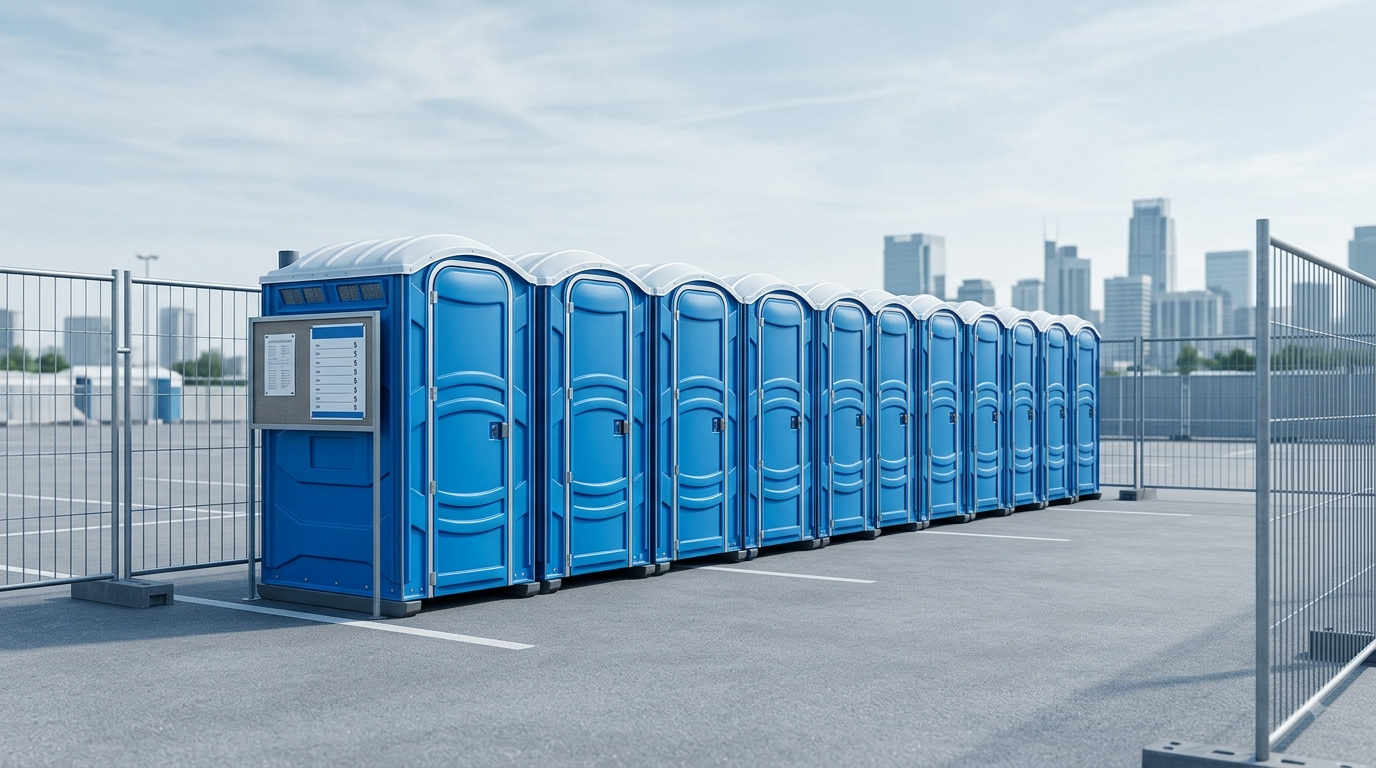
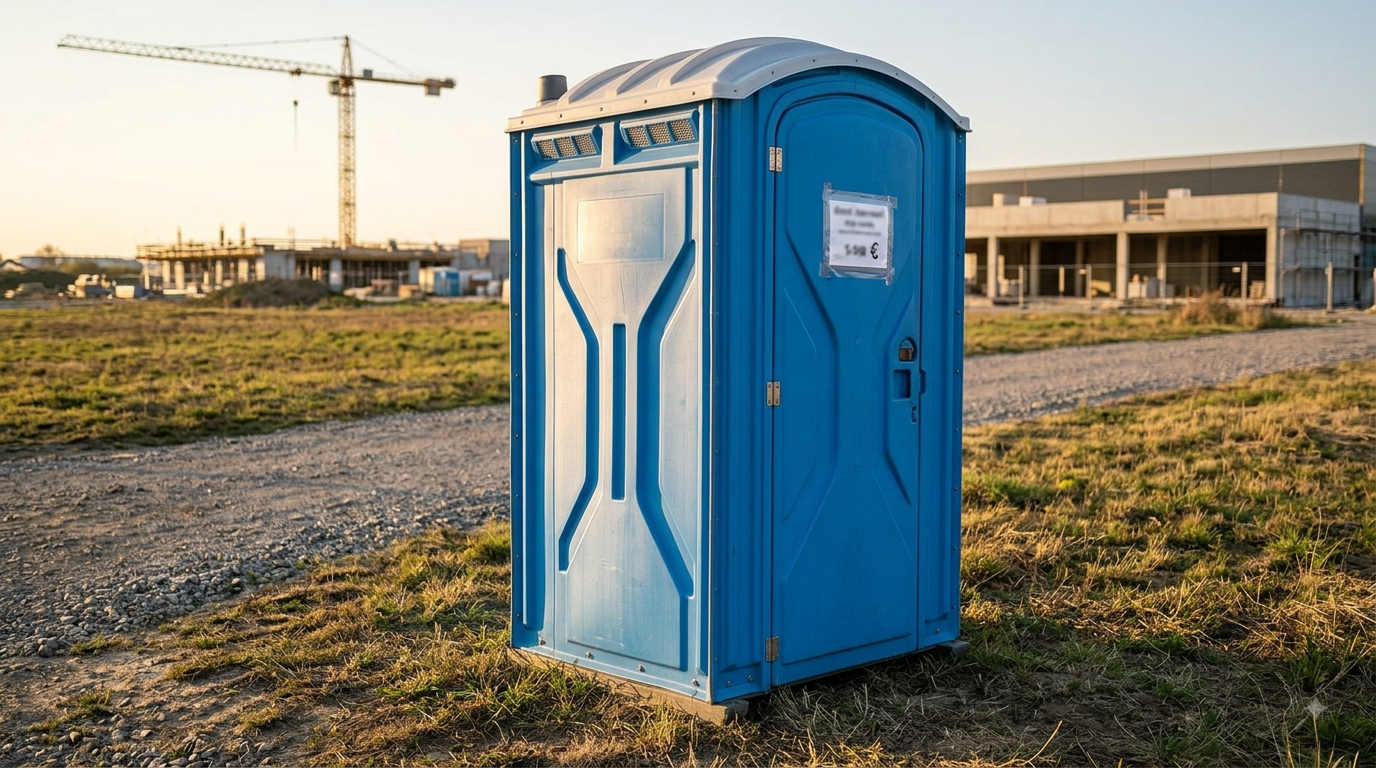
Before diving into numbers, it helps to understand what a porta potty rental actually includes. A standard portable toilet is a self-contained unit with a holding tank, a seat, ventilation, and often a small supply of toilet paper and hand sanitizer. Rental companies deliver the unit to your location, service it periodically if the rental period is long enough, and pick it up once the event or project concludes. The price you pay is not just for the physical unit itself but also covers delivery, setup, waste removal, and eventual pickup. This bundled service structure is why the answer to how much does it cost to rent a porta potty varies so widely depending on what exactly is included in the quote.
Most companies price their units based on rental duration, unit type, and geographic location. A single-day rental for a small backyard gathering will cost far less than a multi-week rental for a construction site with heavy usage. Understanding these variables from the outset helps renters avoid confusion when comparing quotes from different vendors.
Average Cost Breakdown by Rental Duration
One of the most common ways rental companies structure pricing is by duration. Short-term rentals, typically for a single day or a weekend event, usually range between 75 and 150 dollars per unit. This price generally covers delivery, one unit for the duration of the event, and pickup afterward. If you’re wondering how much does it cost to rent a porta potty for a one-day party or small gathering, this price range is your most reliable benchmark.
Weekly rentals, often used for smaller construction projects or short-term outdoor markets, typically fall between 100 and 175 dollars per week. Companies in this bracket usually include at least one servicing visit during the week, which involves emptying the tank and restocking supplies. Monthly rentals, the most common arrangement for ongoing construction sites, generally range from 150 to 200 dollars per month per unit, with weekly servicing included in most standard packages.
Longer-term rentals often come with better per-unit rates because companies value the consistency of extended contracts. A construction company renting ten units for six months will typically negotiate a lower monthly rate than someone renting a single unit for one month. This volume discount is worth exploring if you have a large-scale or long-duration project.
Factors That Influence Porta Potty Rental Prices
While base rates provide a helpful starting point, several factors can push the final price higher or lower. Understanding these variables gives you a clearer picture of what to expect when you request quotes from local providers.
Unit Type and Features
Standard portable toilets represent the most affordable option, but rental companies offer a range of unit types to suit different needs. Deluxe flushable units, which mimic the experience of an indoor bathroom with a flushing mechanism and a small sink, typically cost between 175 and 300 dollars per rental period. ADA-compliant units, designed to be wheelchair accessible with wider doors and more interior space, often carry a premium of 50 to 100 dollars above standard models due to their larger size and specialized construction.
Luxury restroom trailers represent the highest tier of portable sanitation and are frequently used for upscale weddings, corporate events, or film productions. These trailers can include multiple stalls, climate control, running water, mirrors, and even sound systems. Rental prices for luxury trailers range dramatically, from 500 dollars for a small single-stall trailer rented for a day to several thousand dollars for a multi-stall trailer rented over a weekend.
Hand-washing stations, often rented alongside standard units to meet hygiene expectations, add an additional 50 to 100 dollars to the total rental cost. Many event planners now consider these an essential add-on rather than an optional extra, particularly since public health awareness around sanitation has increased significantly in recent years.
Geographic Location
Where you live plays a significant role in determining rental costs. Urban areas with higher operating expenses, denser populations, and greater demand tend to have higher rental rates than rural regions. Someone renting in a major metropolitan area might pay 20 to 30 percent more than someone in a small town, simply due to differences in labor costs, fuel prices for delivery trucks, and local competition among rental companies. When researching how much does it cost to rent a porta potty in your specific area, it’s worth requesting quotes from at least three local providers to get an accurate regional average.
Duration and Servicing Frequency
As mentioned earlier, rental duration directly affects pricing, but servicing frequency also plays a role. Events or job sites with heavy foot traffic may require more frequent tank pumping and restocking, which increases labor and disposal costs for the rental company. If you anticipate high usage, such as a festival expecting thousands of attendees, ask your provider about servicing schedules and whether additional visits will incur extra charges.
Delivery Distance and Accessibility
Rental companies typically include a standard delivery radius in their base pricing, often covering a certain number of miles from their depot. If your event or site falls outside this radius, expect additional delivery fees. Similarly, if the delivery location is difficult to access, such as a remote rural property, an uneven job site, or a location requiring special equipment to maneuver the unit into place, this can add to the overall cost. Clear communication about your site’s accessibility when requesting a quote helps avoid unexpected charges on the final invoice.
Comparing Porta Potty Rentals to Alternative Sanitation Solutions
When budgeting for an event or project, it helps to understand how porta potty rentals stack up against other sanitation options. Permanent restroom facilities, where available, involve no rental cost but may require additional cleaning staff and supplies during high-traffic events, which can quickly add up. For venues without existing plumbing infrastructure, building a temporary restroom facility is far more expensive and time-consuming than renting portable units, often costing thousands of dollars in construction and permitting fees.
Restroom trailers, discussed earlier as a premium option, offer a middle ground between standard porta potties and permanent facilities. They provide a more comfortable experience for guests but at a significantly higher price point. For most standard events and job sites, traditional portable toilets remain the most cost-effective and practical solution, which explains their continued popularity across residential, commercial, and municipal projects.
Hidden Fees to Watch For
Transparent pricing is not always the norm in the portable sanitation industry, and several hidden fees can catch renters off guard. Delivery and pickup fees are sometimes bundled into the quoted price, but other companies charge these separately, adding anywhere from 25 to 75 dollars to the total. Damage waivers or cleaning fees may apply if a unit is returned in poor condition, particularly at events involving alcohol consumption. Late return fees can also apply if you keep a unit longer than the agreed rental period without notifying the company in advance.
Fuel surcharges have become more common in recent years due to fluctuating gas prices, and some companies pass this cost directly to customers, especially for deliveries outside their standard service area. When comparing quotes, always ask providers to itemize their pricing so you understand exactly what is included and what might be added later. A seemingly cheap quote can quickly become more expensive than a competitor’s offer once these additional charges are factored in.
Cost Considerations for Different Event Types
Weddings and Private Parties
For weddings and private celebrations, guests often expect a more polished restroom experience than a basic unit provides. Many couples opt for deluxe or luxury restroom trailers, particularly for outdoor venues without existing facilities. Budgeting between 300 and 1,500 dollars for restroom rentals at a wedding is common, depending on guest count and the level of luxury desired. Smaller, more casual gatherings can stick with standard units at a fraction of this cost.
Construction Sites
Construction companies typically prioritize functionality over aesthetics, making standard portable toilets the default choice. Monthly rental agreements with weekly servicing are the norm, and companies often rent multiple units based on crew size, generally following the guideline of one unit per ten to twenty workers. Long-term contracts frequently come with negotiated discounts, making monthly costs per unit lower than short-term rentals.
Festivals and Large Public Events
Large-scale events with thousands of attendees require careful planning around restroom ratios to avoid long lines and sanitation issues. Event organizers often rent dozens or even hundreds of units, sometimes combining standard toilets with hand-washing stations and a smaller number of ADA-compliant units to meet accessibility requirements. Bulk rentals for large events often come with volume pricing, reducing the per-unit cost compared to renting a single unit.
How to Get the Best Value on Your Porta Potty Rental
Securing a fair price on your rental starts with getting multiple quotes from local providers rather than accepting the first offer you receive. Request itemized breakdowns that clearly separate delivery, unit rental, servicing, and pickup costs so you can compare apples to apples across different companies. Booking early, particularly for peak seasons like summer wedding months or major festival dates, often results in better availability and sometimes better pricing, since last-minute bookings can carry rush fees.
Consider bundling services when possible. If you need multiple units or additional amenities like hand-washing stations, ask about package discounts rather than renting each item separately. Established local companies with strong reputations often provide more reliable service and transparent pricing than newer providers still building their operational systems, even if their initial quote appears slightly higher.
Timing your rental precisely also helps control costs. Renting a unit for exactly the days you need it, rather than padding the rental period out of caution, prevents unnecessary charges. Most companies offer flexible scheduling and can accommodate last-minute pickup date changes with advance notice, so clear communication about your event or project timeline is valuable throughout the rental process.
Success Stories: How Smart Planning Reduces Costs
Event planners and construction managers who take the time to research and negotiate rental agreements often report significant savings. A wedding planner managing a series of outdoor venues, for example, might establish a standing relationship with a single rental company, securing consistent discounted rates across multiple events throughout the season rather than negotiating fresh each time. This kind of repeat business benefits both the renter, through lower costs, and the rental company, through predictable revenue.
Construction firms managing multiple simultaneous job sites frequently consolidate their portable sanitation needs under one vendor contract, negotiating fleet-wide discounts that reduce the effective monthly cost per unit well below standard rates. This approach also simplifies logistics, since a single point of contact handles servicing schedules across all sites, reducing administrative overhead alongside direct rental costs.
Nonprofit organizations hosting community events, such as charity runs or outdoor fundraisers, have also found success by partnering with local sanitation companies willing to offer discounted or sponsored rentals in exchange for on-site branding or public recognition. This mutually beneficial arrangement allows organizations to allocate more of their budget toward their core mission while still providing adequate facilities for attendees.
Challenges in the Portable Sanitation Rental Market
Despite the straightforward nature of porta potty rentals, renters occasionally encounter challenges worth anticipating. Supply shortages during peak seasons, particularly summer months when weddings, festivals, and outdoor construction projects all compete for available units, can drive prices higher and limit availability. Booking several weeks or even months in advance is the most effective way to avoid this issue.
Inconsistent servicing quality is another challenge some renters face, particularly with smaller or less established companies. Units that aren’t serviced on schedule can become unpleasant quickly, especially during multi-day events or extended construction projects. Reading customer reviews and asking rental companies about their servicing protocols before signing a contract helps set realistic expectations and avoid unpleasant surprises.
Weather-related complications, such as extreme heat or heavy rain, can also affect the rental experience. Units placed in direct sunlight for extended periods may develop odor issues more quickly, while muddy or flooded sites can make delivery and servicing difficult. Discussing placement location with your rental provider, ideally in a shaded, accessible, and level area, helps mitigate these seasonal challenges.
The Future of Portable Sanitation Rentals
The portable sanitation industry continues to evolve, with growing demand for more comfortable, environmentally friendly, and accessible options. Solar-powered lighting and ventilation systems are becoming more common in higher-end units, improving the guest experience at evening events. Water-conserving flush mechanisms and biodegradable sanitation chemicals reflect a broader industry shift toward sustainability, appealing to environmentally conscious event planners and construction firms alike.
Technology is also reshaping how rentals are booked and managed. Many companies now offer online booking platforms with instant quotes, real-time availability, and digital contracts, streamlining what was once a phone-call-heavy process. This increased transparency helps renters compare pricing more easily and reduces the likelihood of hidden fees catching customers off guard.
As accessibility standards continue to receive greater attention, demand for ADA-compliant units is expected to grow, particularly for public events and municipal projects subject to accessibility regulations. Rental companies that invest in expanding their ADA-compliant fleet are likely to see increased demand from event organizers seeking to meet both legal requirements and genuine inclusivity goals.
Final Thoughts on Budgeting for Porta Potty Rentals
Answering the question of how much does it cost to rent a porta potty ultimately depends on a combination of factors including rental duration, unit type, geographic location, and any additional services you require. Short-term rentals for small gatherings typically start around 75 to 150 dollars, while longer construction site rentals settle into a predictable monthly rate once servicing schedules are established. Luxury options and large-scale events naturally command higher prices due to the added amenities and logistical complexity involved.
The key to successful budgeting lies in requesting detailed, itemized quotes from multiple local providers, planning well in advance of peak seasons, and clearly communicating your site’s accessibility and usage expectations. With this information in hand, you can confidently select a rental package that meets your needs without exceeding your budget, ensuring your event or project runs smoothly from start to finish.
Frequently Asked Questions