How Long After Wisdom Teeth Removal Can I Eat a Burger? A Complete Recovery and Diet Guide
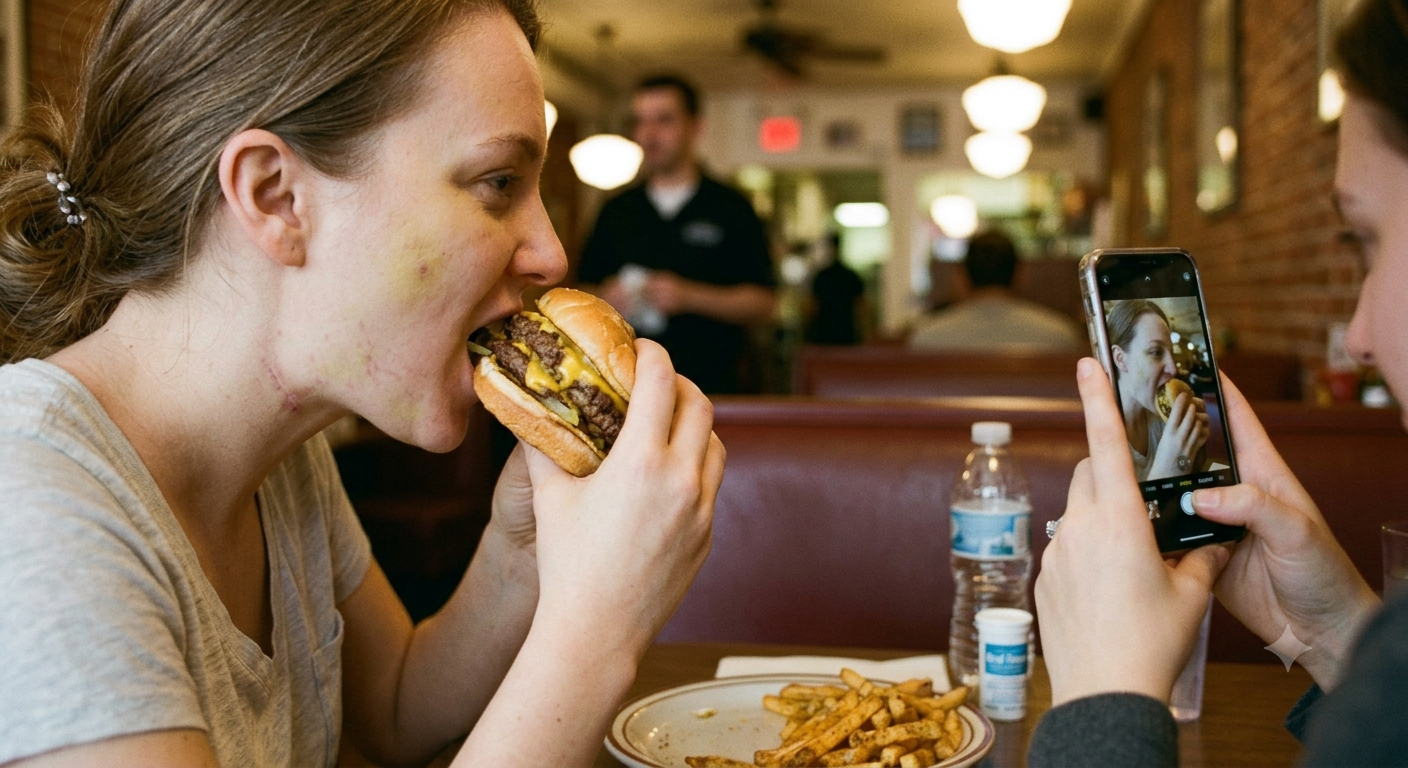
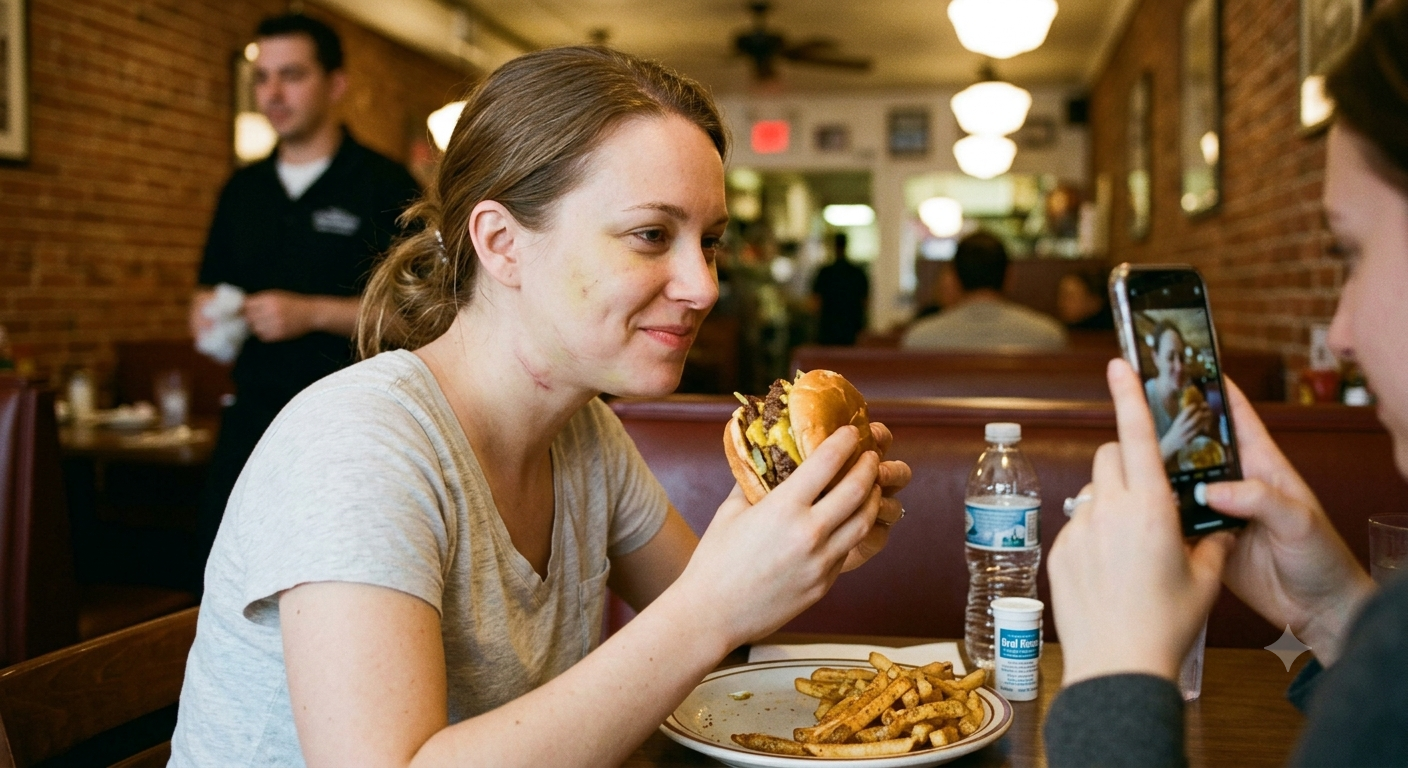
Getting your wisdom teeth pulled is one of those rites of passage that almost everyone dreads, mostly because of the uncertainty around food. Among the very first questions patients type into a search bar the moment they wake up from anesthesia is, “How long after wisdom teeth removal can I eat a burger?” It’s a fair question. Burgers are comfort food, they’re satisfying, and after a stretch of soup, yogurt, and mashed potatoes, biting into a warm bun with a juicy patty feels like a small victory. But rushing back to solid, chewy food too soon can undo days of healing and even lead to painful complications like dry socket or infection.
This guide walks through everything you need to know about post-extraction healing, why the burger question matters more than it seems, and exactly when your mouth is likely to be ready for that first real bite. We’ll cover the biology of healing, a week-by-week breakdown, regional and dietary variations in recovery advice, common mistakes, expert-backed tips, comparisons with other dental procedures, and a detailed FAQ section so you’re not left guessing.
Understanding Why the Burger Question Matters So Much
When people ask how long after wisdom teeth removal can I eat a burger, they’re really asking a bigger question: when can I go back to eating like a normal person again? Wisdom teeth, or third molars, sit at the very back of the jaw, and removing them—especially when they’re impacted or growing at odd angles—leaves behind an open wound in the bone and soft tissue. This wound needs to seal itself with a blood clot, and that clot is fragile for the first several days.
A burger isn’t just soft bread and a thin slice of meat. It typically involves a dense bun, a beef or chicken patty that requires real chewing force, crunchy lettuce, and sometimes seeds, pickles, or crispy bacon. Every one of those textures puts pressure on the jaw and can dislodge a healing clot if eaten too early. That’s precisely why dentists and oral surgeons are so specific when patients ask how long after wisdom teeth removal can I eat a burger safely without risking their recovery.
A Brief History of Wisdom Tooth Extraction and Dietary Guidance
Wisdom tooth removal isn’t a modern invention. Historical dental records show that third molar extractions were performed as far back as ancient Egypt and Greece, though without anesthesia and with far cruder tools. Over the centuries, as dental surgery became more refined, so did the post-operative care surrounding it. In the early twentieth century, patients were often told simply to “rest the jaw” with little formal guidance on food texture or timing.
It wasn’t until the mid-to-late twentieth century, as oral and maxillofacial surgery became a distinct specialty, that structured recovery protocols emerged—soft food for the first 24 to 72 hours, gradual reintroduction of solids, and clear warnings about using straws or eating anything crunchy. Today, that guidance has become far more precise, and questions like how long after wisdom teeth removal can I eat a burger are answered with evidence-based timelines rather than guesswork, thanks to decades of clinical observation and improved surgical techniques.
The Goals of a Proper Post-Extraction Diet
Every recovery diet after wisdom tooth surgery is built around a few core objectives. The first is protecting the blood clot that forms in the empty socket, since this clot is the foundation of healing and its loss leads to a painful condition called dry socket. The second objective is minimizing swelling and inflammation by avoiding foods that require heavy chewing or that are hot enough to irritate healing tissue. The third is ensuring the patient still gets adequate nutrition and hydration during a period when eating feels like a chore, which supports faster tissue repair. The fourth objective, often overlooked, is psychological comfort—giving patients something to look forward to, like a favorite meal, helps them stick to the recovery plan without feeling deprived for too long.
Understanding these objectives makes it much easier to answer how long after wisdom teeth removal can I eat a burger, because the answer isn’t arbitrary. It’s tied directly to how far along the socket is in its healing journey.
Implementation: A Week-by-Week Breakdown of What You Can Eat
The First 24 Hours
In the first day after surgery, your mouth is at its most vulnerable. The extraction sites are actively forming clots, and any suction, chewing, or hot food can interfere with that process. This is strictly a liquid and cold-soft-food phase: think lukewarm broths, smoothies without seeds, yogurt, applesauce, and ice cream in moderation. A burger is completely off the table here, both figuratively and literally.
Days Two to Three
By day two or three, swelling typically peaks before it starts to subside. You can usually move on to mashed potatoes, scrambled eggs, oatmeal, and soft pasta. Chewing should still happen away from the extraction sites, and anything crunchy or fibrous remains off-limits. If you’re still wondering how long after wisdom teeth removal can I eat a burger at this stage, the honest answer is: not yet, and pushing it now carries real risk.
Days Four to Seven
This is where most people start feeling noticeably better. Pain decreases, swelling continues to go down, and the socket begins forming soft granulation tissue over the clot. Soft casseroles, well-cooked rice, tender fish, and soft sandwiches with crusts removed can often be reintroduced, always chewed carefully on the opposite side of the mouth from the extraction. Some patients, particularly those who only had simple extractions of fully erupted teeth, may cautiously try a very soft burger—thin patty, no crunchy toppings, soft bun—toward the end of this window, but only with their dentist’s approval.
One Week to Ten Days
For most patients undergoing simple, non-impacted wisdom tooth removal, this is typically when the answer to how long after wisdom teeth removal can I eat a burger becomes a genuine yes, provided there’s no lingering pain, swelling, or bleeding. The socket has usually closed enough at the surface that normal chewing pressure won’t dislodge anything. That said, it’s wise to choose a burger with a soft bun, a well-cooked and tender patty, and to avoid tough lettuce, raw onions, seeds, or anything overly crunchy for another week or so.
Two to Three Weeks and Beyond
For patients who had impacted teeth surgically removed, especially lower impacted molars that required bone removal or stitches, full healing of the deeper tissue can take two to four weeks or longer. Even if you’re technically allowed to eat a burger earlier, waiting until this stage guarantees a more comfortable, pain-free experience. By this point, most people can enjoy a full burger, buns, toppings, and all, without any special modifications.
Regional and Individual Variation in Recovery Timelines
Just as policy frameworks and social welfare initiatives vary from state to state depending on local infrastructure and implementation capacity, recovery timelines after wisdom tooth removal vary from patient to patient depending on individual “infrastructure”—meaning age, bone density, immune response, and the complexity of the extraction. Younger patients in their late teens and early twenties tend to heal faster because their bone remodels more efficiently. Patients over thirty-five, or those with underlying conditions like diabetes, often see slower socket closure and may need extra days before solid food, including burgers, is truly comfortable.
Similarly, the type of extraction changes the equation dramatically. A single, fully erupted upper wisdom tooth removed with minimal trauma might allow a soft burger within four or five days. Four impacted lower wisdom teeth removed simultaneously, with incisions and stitches, is an entirely different recovery scenario, and rushing the timeline in this case is one of the most common mistakes patients make.
State-Level and Clinical Variation: How Different Surgeons Approach the Burger Question
Just as state-wise benefits and regional impact differ across implementation zones in large-scale programs, dental practices differ in exactly how they phrase their post-operative instructions. Some oral surgeons give patients a strict day-by-day printed diet plan, while others offer more general “soft foods for a week” guidance and trust patients to use judgment. Because of this inconsistency, many patients turn to online searches asking how long after wisdom teeth removal can I eat a burger simply because their own surgeon’s instructions felt vague.
The best practice, and one increasingly adopted across clinics, is to give patients a clear, staged plan with specific food examples rather than broad categories. This kind of clarity reduces the number of return visits for complications and improves overall patient satisfaction, much like how detailed implementation guidelines improve outcomes in any structured rural development or public health rollout.
Success Stories: How Patients Have Navigated the Recovery Successfully
Plenty of patients handle this transition smoothly by pacing themselves. One common success story involves patients who treat the recovery like a mini meal-planning project: stocking the freezer with smoothies and soups before surgery, then gradually working through a self-designed list of soft foods, and celebrating the “burger milestone” around day seven to ten as a reward for following the plan. Dentists frequently report that patients who prepare in advance, rather than scrambling to figure out what to eat post-surgery, report less pain, fewer complications, and a much smoother emotional experience overall.
Another recurring success pattern involves patients who ease back into solid food using a “training wheels” burger first: a soft slider-style burger with a steamed bun and finely ground, well-cooked patty, before moving to a standard-sized burger a few days later. This incremental approach answers how long after wisdom teeth removal can I eat a burger not with a single date, but with a gradual reintroduction strategy that respects the body’s healing pace while still satisfying the craving early.
Common Challenges and Mistakes During Recovery
The most frequent challenge patients face is impatience. The socket may look fine on the surface within just a few days, which tempts people into eating solid food far earlier than their internal healing actually supports. This mismatch between visible appearance and actual tissue strength is one of the leading causes of dry socket, a condition where the protective clot is lost, exposing bone and nerve endings to air and food particles, resulting in intense pain that can last several days and often requires a follow-up clinic visit.
Another common mistake is choosing the wrong kind of burger too early. Even at the two-week mark, a burger loaded with raw onions, seeds on the bun, or extremely crunchy bacon can irritate healing gum tissue or get lodged in the socket, leading to infection. Patients are generally better served choosing simpler, softer versions of their favorite foods before returning to the “full loaded” version.
A third challenge is inadequate nutrition during the early soft-food phase. Some patients, eager to avoid discomfort, undereat for several days, which actually slows healing because the body needs protein and calories to repair tissue efficiently. Balancing caution with proper nutrition is just as important as timing the return of solid food correctly.
Comparing Wisdom Tooth Recovery With Other Dental and Oral Procedures
It helps to compare wisdom tooth extraction recovery with other common procedures to put the burger timeline in context. A simple filling requires almost no dietary restriction beyond avoiding extremely hot food for a few hours. A single tooth extraction that isn’t a wisdom tooth typically heals faster, often allowing normal eating within three to five days, because there’s usually less surrounding tissue trauma. Root canals involve almost no dietary downtime at all beyond the day of the procedure. Dental implants, on the other hand, often require a longer soft-food period, sometimes several weeks, because the surgical site needs to integrate with bone in a much deeper way.
Against this backdrop, wisdom tooth removal sits somewhere in the middle to higher end of dietary restriction severity, especially when the teeth are impacted. This comparison helps explain why so many people specifically search how long after wisdom teeth removal can I eat a burger rather than asking about other procedures—the surgery is significant enough that food really does need to be planned around it, unlike smaller dental work.
Expert-Backed Tips for a Smooth Transition Back to Solid Food
Oral surgeons and dentists generally recommend a few practical strategies for anyone eager to get back to solid meals safely. Start by testing your readiness with foods that sit between soft and firm, such as a soft dinner roll or a lightly toasted sandwich, before attempting a full burger. Chew exclusively on the side of your mouth away from the extraction sites for at least the first two weeks, even after you’ve reintroduced firmer foods. Keep bites small rather than taking one large bite that requires maximum jaw opening and force, since wide jaw opening can strain the surgical area. Choose a soft, fresh bun rather than a crusty artisan roll, and opt for a well-cooked, tender patty rather than a thick, chewy one. Skip crunchy toppings like raw onion, pickles, or crispy bacon for the first couple of weeks, and consider cutting the burger into smaller, more manageable pieces rather than biting directly into a whole sandwich. Rinsing gently with warm salt water after eating, without vigorous swishing, also helps keep the extraction site clean without disturbing the healing clot.
The Emotional and Practical Side of Craving Familiar Food
There’s an underrated psychological dimension to this whole topic. Recovering from surgery, even a routine one like wisdom tooth removal, can feel isolating and uncomfortable, and craving a favorite food like a burger is a completely normal response to days of bland, soft meals. Acknowledging this craving rather than ignoring it can actually help patients stick to their recovery plan, because having a concrete, safe date in mind—rather than an open-ended restriction—makes the waiting period feel more manageable. This is part of why so many people specifically search how long after wisdom teeth removal can I eat a burger instead of a more generic query about soft foods; they want a tangible goal to count down to.
Nutritional Considerations During the Waiting Period
While waiting for the green light to eat a burger, it’s worth paying attention to overall nutrition rather than just texture. Protein is essential for tissue repair, so soft, protein-rich foods like Greek yogurt, blended soups with beans or lentils, scrambled eggs, and protein smoothies are excellent substitutes during the early days. Vitamin C and zinc, found in blended fruit smoothies and soft cooked vegetables, support collagen formation and immune function, both of which speed up healing. Staying well hydrated, while strictly avoiding straws, also supports faster recovery, since straws create suction that can dislodge the healing clot regardless of how many days have passed.
When to Delay the Burger Even Further
Not every recovery follows the average timeline, and there are clear warning signs that should push the burger question further down the calendar. Persistent throbbing pain that worsens rather than improves after the third or fourth day, visible pus or foul taste near the extraction site, fever, or swelling that continues to increase rather than decrease are all signs that something may not be healing correctly, and solid food, including burgers, should wait until a dentist has reassessed the site. In these cases, the answer to how long after wisdom teeth removal can I eat a burger shifts entirely, because the priority becomes resolving the underlying complication first.
Future Outlook: How Recovery Guidance Continues to Improve
Dental and oral surgery practices continue to refine their post-operative protocols as research improves. Newer techniques, including more precise surgical approaches and better use of platelet-rich fibrin to speed clot stability, are gradually shortening safe recovery windows for many patients. Digital patient education, including personalized recovery apps and text-based check-ins from dental clinics, is also making it easier for patients to get accurate, individualized answers rather than relying solely on generic online searches. As these tools become more widespread, questions like how long after wisdom teeth removal can I eat a burger will increasingly be answered with precision tailored to the specific patient rather than broad averages, further reducing complications and improving overall recovery satisfaction.
Bringing It All Together
So, how long after wisdom teeth removal can I eat a burger? For most patients undergoing straightforward extractions, a soft, modest burger becomes reasonably safe around seven to ten days after surgery, provided healing is progressing normally and there’s no pain, swelling, or bleeding. For more complex cases involving impacted teeth, bone removal, or stitches, it’s safer to wait two to three weeks, and sometimes longer, before returning to a full, unmodified burger. Throughout the recovery period, prioritizing soft, protein-rich foods, avoiding straws and crunchy textures, chewing away from the extraction site, and watching for warning signs of complications will make the eventual return to solid food both safe and satisfying. Patience during the first week pays off enormously, turning that first proper burger bite into a genuinely well-earned reward rather than a risky gamble.