I’m a Pregnant Woman. Are Nivea Products Safe Compared to Burt’s Bees or Mustela?
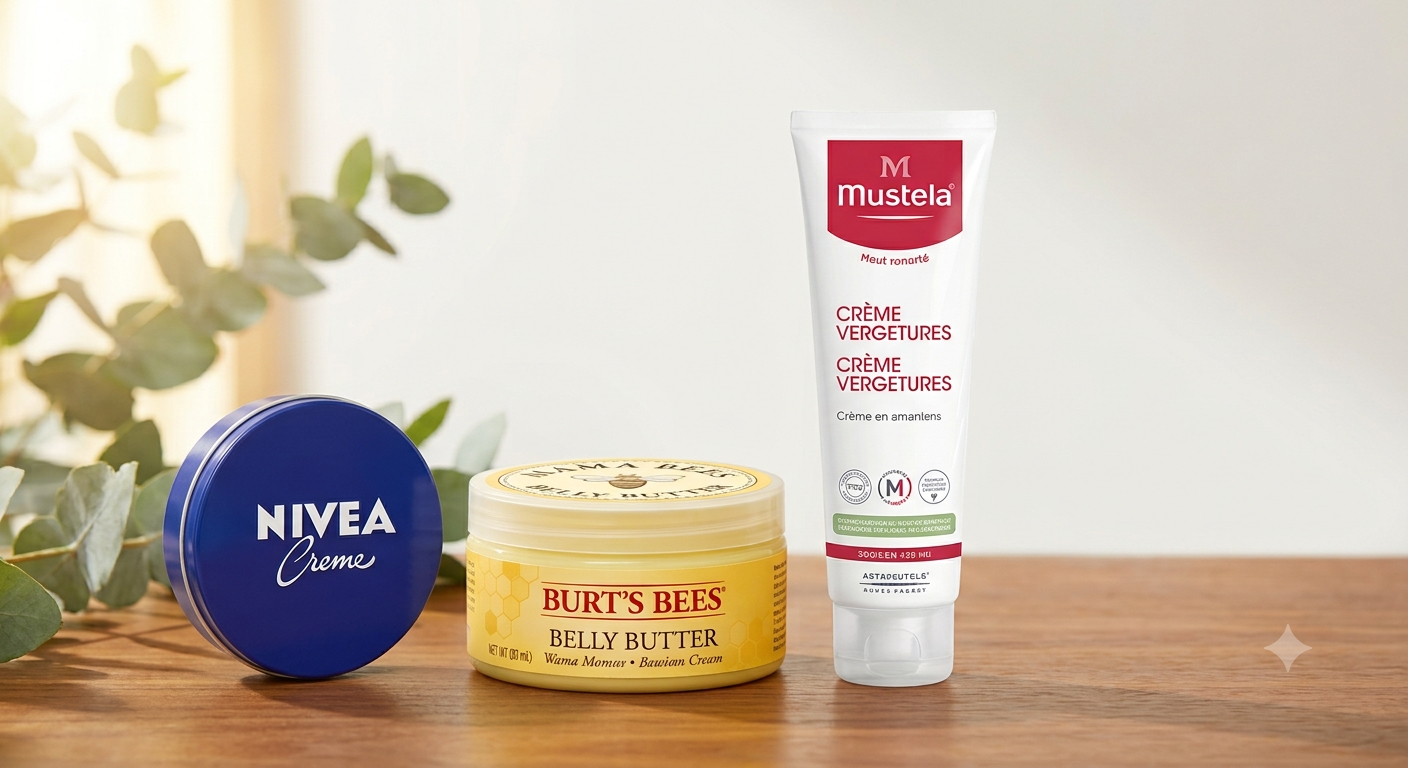
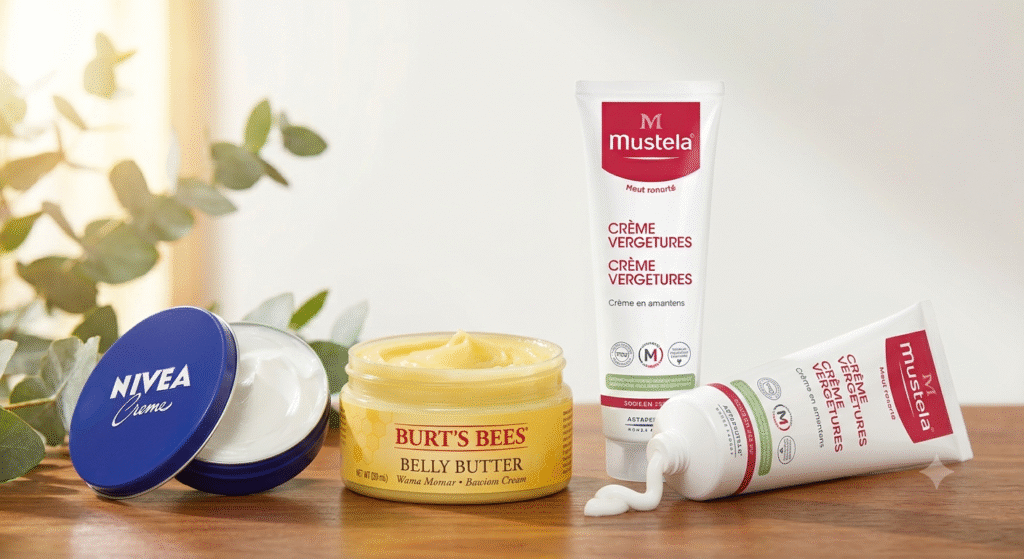
Pregnancy changes almost everything about how your body behaves, and your skin is often one of the first places that shift becomes visible. Dryness, itchiness, sensitivity, and stretch marks can appear seemingly overnight, sending many expectant mothers straight to the bathroom cabinet to reread every label they own. If you have found yourself standing in the skincare aisle asking, “I’m a pregnant woman, are Nivea products safe compared to Burt’s Bees or Mustela?” you are far from alone. This exact question has become one of the most searched pregnancy skincare comparisons, and for good reason—these three brands sit at very different points on the spectrum of affordability, natural formulation, and pregnancy-specific design, yet all three are commonly found in bathrooms around the world.
This guide takes a deep, honest look at how Nivea, Burt’s Bees, and Mustela compare when you are expecting, covering the ingredients that matter most, the history behind each brand’s approach to skincare, real-world usage patterns, and the practical steps you can take to make a confident, informed decision. Rather than crowning one brand an outright winner, the goal here is to help you understand exactly what to look for so that whichever product ends up in your bathroom, you know why it belongs there.
Why Pregnancy Changes the Skincare Conversation
During pregnancy, hormonal shifts increase blood flow to the skin, alter oil production, and often heighten sensitivity to fragrance and certain active ingredients. What worked perfectly well on your skin before conception may suddenly cause redness, breakouts, or irritation. At the same time, a small percentage of whatever you apply topically is absorbed into the bloodstream, which is why obstetricians and dermatologists generally advise caution around a specific, well-documented list of ingredients rather than avoiding skincare altogether.
This is the backdrop against which the question “I’m a pregnant woman; are Nivea products safe compared to Burt’s Bees or Mustela?” makes so much sense. Each of these three brands takes a different philosophical approach to formulation, and understanding those differences is far more useful than assuming any single brand name guarantees safety.
How Your Skin Changes Trimester by Trimester
Skincare needs rarely stay constant across nine months, and understanding what is happening beneath the surface at each stage makes it much easier to judge whether a Nivea, Burt’s Bees, or Mustela product is actually suited to what your skin needs right now. In the first trimester, surging hormones often trigger increased oil production, occasional breakouts, and heightened smell sensitivity, which is why many women suddenly find a previously pleasant Nivea or Burt’s Bees fragrance overwhelming or even nausea-inducing during early pregnancy. This is often the point at which women first search whether Nivea products are safe compared to Burt’s Bees or Mustela, simply because their usual routine has started to feel wrong.
By the second trimester, the belly, hips, and thighs typically begin stretching more noticeably, and this is when dryness, tightness, and the first signs of stretch marks tend to appear. Stretch-mark-focused products, including Mustela’s dedicated maternity oils and Burt’s Bees belly butter, tend to become far more relevant during this window, since skin elasticity support is most useful while the skin is actively expanding rather than after marks have already formed. Basic Nivea body lotion can still play a supporting role here for general hydration, though it was not engineered specifically for this stretching process the way Mustela’s formulas were.
The third trimester often brings the most pronounced sensitivity, as the skin reaches its greatest degree of stretch and swelling can affect circulation in the hands, feet, and face. Many women find that products they tolerated well earlier in pregnancy suddenly cause irritation during this final stretch, which is exactly why dermatologists recommend reassessing your routine periodically rather than settling on one product for the full nine months. Recognizing this shifting pattern helps explain why the Nivea versus Burt’s Bees versus Mustela comparison is not a one-time decision but an ongoing evaluation that may change as your pregnancy progresses.
A Brief History of the Three Brands
Nivea traces its roots back to 1911 in Germany, where it launched as one of the first stable water-in-oil emulsions ever sold to consumers, built around the now-iconic blue tin. Over the following century, Nivea expanded into a global mass-market skincare company known primarily for affordable, fragrance-forward moisturizers, body lotions, and basic facial care rather than specialized treatment lines.
Burt’s Bees began in Maine in 1984, growing out of a small beeswax candle business before pivoting toward natural personal care products built around beeswax, plant oils, and botanical extracts. The brand built its identity on being “natural,” and it later expanded into a maternity-adjacent line featuring belly butters and body oils marketed toward pregnant women, even though the company itself was not founded specifically for maternity care.
Mustela stands apart from both. It was developed by Laboratoires Expanscience, a French, family-owned pharmaceutical and dermo-cosmetics company that has focused specifically on maternity and infant skincare since 1950. Unlike Nivea and Burt’s Bees, which adapted general skincare lines to appeal to pregnant customers, Mustela built its entire product philosophy around pregnancy, postpartum recovery, and delicate baby skin from day one. This history matters directly to anyone asking whether Nivea products are safe compared to Burt’s Bees or Mustela, because it explains why Mustela’s catalog reads so differently from the other two.
What Actually Determines Pregnancy Safety in Skincare
Before comparing brands directly, it helps to understand what dermatologists and obstetricians actually look at when assessing whether a skincare product is appropriate during pregnancy. Safety comes down almost entirely to ingredients rather than brand reputation or marketing language, and a handful of categories account for the vast majority of professional caution.
Topical retinoids, including retinol, retinyl palmitate, tretinoin, and adapalene, are the ingredient class most consistently flagged. While the evidence around topical absorption is far less alarming than the evidence around oral retinoid use, most obstetric guidance still recommends avoiding them during pregnancy simply because a truly safe topical threshold has never been firmly established. Salicylic acid, a common acne-fighting ingredient, is generally considered low-risk in gentle, rinse-off formulations under about two percent concentration, but leave-on treatments and high-strength peels are typically discouraged. Hydroquinone, used for skin lightening, and certain chemical sunscreen filters such as oxybenzone also appear on most caution lists, alongside formaldehyde-releasing preservatives and high-concentration essential oils that can irritate the more reactive skin many women experience during pregnancy.
Understanding this ingredient-first framework is the real key to answering whether Nivea products are safe compared to Burt’s Bees or Mustela, because it shifts the question away from brand loyalty and toward label literacy.
A Closer Look at the Ingredients That Matter Most
Because ingredient names on skincare labels can feel like a foreign language, it helps to walk through the most commonly flagged categories one at a time, along with where they tend to show up in Nivea, Burt’s Bees, and Mustela product lines specifically.
Retinoids appear under several names, including retinol, retinyl palmitate, retinaldehyde, and tretinoin, and are most commonly found in anti-aging facial creams, serums, and acne treatments. Among the three brands compared here, Nivea’s anti-aging facial lines are the most likely to contain a retinoid derivative, while Mustela’s maternity range is specifically formulated to exclude this ingredient category entirely, and Burt’s Bees rarely includes retinoids given its natural-ingredient positioning.
Salicylic acid shows up primarily in acne-focused cleansers, toners, and spot treatments rather than in basic moisturizers, making it far less relevant to the core Nivea, Burt’s Bees, or Mustela body lotion lines most pregnant women reach for daily. If you use an acne-specific product from any of these brands, checking the concentration and choosing a rinse-off format over a leave-on treatment is the safer path.
Fragrance is arguably the most common point of concern across all three brands, since Nivea’s mass-market lotions, Burt’s Bees’ essential-oil-based scents, and even some Mustela products include fragrance components. Fragrance sensitivity during pregnancy is typically about comfort and irritation rather than a proven safety risk, but women with reactive skin or heightened smell sensitivity often do better switching to a fragrance-free version within whichever brand they prefer.
Chemical sunscreen filters, including oxybenzone and octinoxate, appear in some sun care formulations across the industry, including select Nivea sun products. Mineral-based alternatives using zinc oxide or titanium dioxide are generally viewed as the gentler choice during pregnancy, and checking whether a sunscreen from any of the three brands is chemical or mineral-based is a worthwhile five-second label check before applying it to your belly, face, or shoulders.
Essential oils and botanical extracts, while central to Burt’s Bees’ identity, deserve the same scrutiny as synthetic ingredients rather than automatic trust. Concentrated oils such as rosemary, peppermint, or certain citrus extracts can occasionally irritate the more reactive skin barrier many women experience during pregnancy, even though they are naturally derived.
Nivea During Pregnancy: Strengths and Considerations
Nivea’s core lineup, including the classic Nivea Creme, body lotions, and basic facial moisturizers, is generally built around simple hydrating ingredients such as glycerin, panthenol, shea butter, and mineral oil rather than aggressive active treatments. For this reason, most standard Nivea moisturizers are widely used and generally considered acceptable during pregnancy, particularly for everyday hydration needs across the belly, thighs, and other areas prone to tightness and itching as the skin stretches.
Where caution becomes more relevant is with Nivea’s specialty lines. Certain anti-aging facial products, some sun care formulas, and select treatment creams may contain retinoids, chemical UV filters, or fragrance concentrations that warrant a closer look at the ingredient list. Fragrance in particular deserves attention, since Nivea’s mass-market lotions are often scented, and pregnancy can heighten sensitivity to fragrance in ways that trigger headaches or mild skin irritation even when the ingredient itself is not considered medically risky.
The practical takeaway is that basic Nivea moisturizers tend to be a reasonably safe, budget-friendly option for daily hydration, but anyone reaching for a treatment-focused Nivea product, such as an anti-aging serum, should check the label for retinoids before use.
Burt’s Bees During Pregnancy: Strengths and Considerations
Burt’s Bees built its identity around naturally derived ingredients, and many of its core products, including lip balms, hand creams, and body lotions, rely on beeswax, plant oils, shea butter, and botanical extracts rather than synthetic actives. The brand also markets a maternity-adjacent line, most notably its Mama Bee belly butter, formulated with cocoa butter, shea butter, and sweet almond oil to support skin elasticity as the belly expands.
It is worth emphasizing a point that dermatologists raise consistently: natural does not automatically mean safer during pregnancy. Certain essential oils and botanical extracts, even when plant-derived, can trigger irritation or allergic reactions in skin that has become more reactive due to hormonal changes. Some Burt’s Bees formulations include fragrance derived from essential oil blends, which, while generally regarded as lower risk than synthetic fragrance compounds, can still cause sensitivity in some users. As with Nivea, the presence of “natural” branding does not exempt a Burt’s Bees product from the same ingredient-checking process recommended for any other skincare line.
For pregnant women specifically seeking plant-based formulations and are comfortable patch-testing new products before full use, Burt’s Bees remains a popular and generally well-regarded middle-ground option.
Mustela During Pregnancy: Strengths and Considerations
Mustela’s advantage in this comparison comes down to intentional design. Because the brand was built specifically around maternity and infant skincare, its stretch mark creams, body oils, and sensitive-skin formulas are developed from the ground up to avoid retinoids, phthalates, and parabens, rather than having those ingredients removed from a pre-existing general skincare formula. Several Mustela products also carry the Environmental Working Group’s “Verified” mark, a designation that neither Nivea nor Burt’s Bees currently advertises across their comparable product lines, reflecting a stricter standard for ingredient transparency and safety screening.
This does not mean every single Mustela product is automatically appropriate for every pregnant woman. Mustela’s catalog spans body balms, cleansing gels, sunscreens, and treatment products, and each category still deserves its own quick ingredient check, particularly for sunscreens and any targeted treatment formulas. However, for women specifically prioritizing dedicated maternity formulation and third-party verification, Mustela is consistently the strongest match among the three brands, which is a major part of why the comparison between Nivea, Burt’s Bees, and Mustela comes up so frequently among expecting mothers.
Side-by-Side Comparison: How the Three Brands Really Differ
When women ask whether Nivea products are safe compared to Burt’s Bees or Mustela, they are usually trying to weigh three different priorities at once: affordability, natural formulation, and pregnancy-specific design. Nivea generally wins on price and everyday accessibility, offering the lowest cost per ounce and wide availability in nearly every drugstore and supermarket, making it a practical choice for full-body daily use throughout pregnancy. Burt’s Bees occupies the middle ground, appealing to women who want plant-based ingredients and are willing to pay a moderate premium for that positioning, while still requiring the same label vigilance as any other brand. Mustela sits at the top of the price range but offers the most pregnancy-dedicated product development, the clearest formulation philosophy around avoiding common pregnancy-flagged ingredients, and the strongest third-party verification among the three.
None of the three brands should be treated as universally safe or universally risky. A more accurate way to think about the comparison is “shelf by shelf” rather than “brand versus brand” — a Mustela stretch mark balm, a Burt’s Bees lip balm, and a plain, fragrance-free Nivea body lotion can all reasonably coexist in the same pregnant woman’s bathroom, because each was chosen based on its individual ingredient list rather than blind brand loyalty.
Real-World Patterns Among Expecting Mothers
Across parenting forums, prenatal groups, and dermatology consultations, a consistent pattern emerges. Many women continue using their existing Nivea body lotion throughout pregnancy simply because it was already part of their routine and contains no ingredients of concern, switching only if their skin becomes unusually reactive as pregnancy progresses. Others actively seek out Burt’s Bees specifically for its belly butter, drawn by the naturally derived marketing and pleasant texture, while remaining mindful of fragrance sensitivity as their pregnancy advances. A third group, often first-time mothers who have spent time researching ingredient safety, gravitates toward Mustela specifically because the brand’s maternity focus removes the guesswork of checking every label, even though it costs more per product.
These patterns illustrate that there is no single “correct” answer to whether Nivea products are safe compared to Burt’s Bees or Mustela — the right choice depends heavily on individual skin sensitivity, budget, and how much reassurance a woman wants from a brand’s formulation philosophy rather than her own label-reading.
Common Challenges Pregnant Women Face When Choosing Skincare
One of the biggest challenges is simply the sheer volume of conflicting information available online, where marketing language often blurs the line between genuinely evidence-based caution and exaggerated fear-based content. Another common difficulty is that pregnancy-safe does not always mean effective for the specific concern a woman is trying to address, such as stubborn stretch marks or persistent dryness, which can lead to frustration when a gentle, low-risk product does not deliver dramatic visible results.
Budget constraints add another layer of difficulty, since Mustela’s pregnancy-specific formulations often cost significantly more than comparable Nivea or Burt’s Bees products, forcing many women to weigh peace of mind against practical affordability, especially when covering large areas of skin daily for nine months. Skin sensitivity itself can also shift unpredictably throughout pregnancy, meaning a product that worked well in the first trimester may suddenly cause irritation by the third, requiring ongoing reassessment rather than a single, permanent skincare decision.
Comparing This Decision to Other Everyday Pregnancy Choices
The Nivea versus Burt’s Bees versus Mustela decision mirrors a broader pattern seen throughout pregnancy, where expecting mothers must constantly weigh convenience, cost, and specialized design against one another. Just as some women choose a general multivitamin over a pregnancy-specific prenatal formula based on physician guidance and personal preference, skincare selection often comes down to balancing what is medically necessary against what feels reassuring. In both cases, the presence of a specialized, higher-priced option does not automatically make the general, more affordable alternative unsafe — it simply means the specialized option was engineered with a narrower, more specific use case in mind from the very beginning.
Practical Steps Before Adding Any New Skincare Product
Regardless of which brand you lean toward, a few consistent habits make the decision safer and more manageable. Start by reading the full ingredient list on any product, not just the front-of-package marketing claims, since terms like “natural” or “gentle” carry no regulated definition. Cross-check any unfamiliar ingredient against your obstetrician’s guidance or a reputable pregnancy-safety resource, particularly for treatment-focused products rather than basic moisturizers. Patch test new products on a small area of skin before applying them broadly, since pregnancy can unpredictably heighten sensitivity even to previously well-tolerated ingredients. Prioritize hydration and skin barrier support as your primary goal, since most pregnancy skin concerns respond well to consistent moisture rather than aggressive active ingredients. Finally, bring any specific product questions directly to your healthcare provider, especially if you have a history of skin conditions, allergies, or high-risk pregnancy factors that might warrant extra caution.
Face Products Versus Body Products: Why the Distinction Matters
One detail that often gets lost in broad brand comparisons is that face and body products carry very different risk profiles, even within the same brand. Facial skincare, particularly anti-aging and acne treatment lines, is far more likely to contain concentrated active ingredients such as retinoids or higher-percentage acids, simply because facial skin concerns tend to call for more targeted treatment. Body lotions and balms, by contrast, are usually formulated primarily for hydration and are far less likely to contain aggressive actives.
This distinction matters directly to the Nivea, Burt’s Bees, and Mustela comparison, because a woman asking whether Nivea is safe compared to the other two brands may be thinking about a body lotion, while someone else asking the same question may be thinking about a facial anti-aging serum. The honest answer changes depending on which category of product is actually being discussed. As a general rule, body lotions and balms from all three brands tend to carry a lower risk profile than facial treatment products, which is why many obstetricians are far more relaxed about daily body moisturizer use than about continuing a pre-pregnancy retinol-based facial routine.
What Changes After Birth: Postpartum and Breastfeeding Considerations
The skincare conversation does not end the moment your baby arrives. Many of the same ingredient concerns that applied during pregnancy continue to matter during breastfeeding, since certain compounds can still transfer through breast milk in small amounts. Retinoids remain on the caution list for breastfeeding mothers for largely the same reasons they were avoided during pregnancy, and many of the fragrance and essential oil sensitivities that developed during pregnancy can persist into the postpartum period as hormone levels gradually rebalance.
This is also the stage where Mustela’s product philosophy extends most naturally, since the brand markets many of its formulas across the full maternity-to-baby continuum, including body oils and balms designed to be gentle enough for a newborn’s skin, which by extension tend to be gentle choices for a postpartum mother’s healing body as well. Burt’s Bees similarly carries products marketed for new mothers and infants side by side, while Nivea’s postpartum relevance mostly comes down to its basic, fragrance-light moisturizers continuing to serve the same simple hydration role they served throughout pregnancy.
One added consideration for breastfeeding mothers is chest and nipple area skincare, where any product applied needs to be safe for incidental contact with a nursing infant. Many mothers switch to unscented, minimal-ingredient balms specifically for this area regardless of which brand they use elsewhere on their body, since even generally safe fragrance ingredients are best avoided in a spot the baby will have direct mouth contact with.
Reading Certifications and Labels With Confidence
Beyond checking individual ingredients, a handful of label cues can help you move through the shopping decision more quickly. Certifications such as the EWG Verified mark, which several Mustela products carry, indicate that a product has met a third-party standard for ingredient transparency and has avoided a specific list of chemicals of concern, offering a level of external verification that neither Nivea nor Burt’s Bees currently advertises across comparable product lines. The absence of this certification on a Nivea or Burt’s Bees product does not automatically mean it is unsafe, since many perfectly reasonable pregnancy-safe products simply have not pursued this particular certification process.
Terms like “dermatologist tested,” “hypoallergenic,” and “pediatrician recommended” carry varying degrees of regulatory weight depending on your country, and it is worth treating them as a helpful signal rather than a guarantee. The most reliable approach remains flipping the product over and scanning the actual ingredient list for the specific compounds discussed earlier in this guide, since marketing claims on the front of the package are designed to sell the product, while the ingredient list on the back tells you what is actually inside it.
Looking Ahead: How Pregnancy Skincare Is Evolving
The broader skincare industry has taken notice of how frequently women search for pregnancy-safe reassurance, and the market is responding accordingly. More mainstream brands, including lines within Nivea’s broader portfolio, have begun introducing fragrance-free and simplified formulations aimed at sensitive-skin consumers, a trend that benefits pregnant shoppers even when the product was not explicitly marketed for maternity use. Natural and botanical brands like Burt’s Bees continue expanding transparency around essential oil concentrations as consumer awareness of fragrance sensitivity grows. Meanwhile, dedicated maternity brands such as Mustela are likely to keep expanding their EWG-verified and dermatologist-tested product ranges, reinforcing the trust that has made them a frequent recommendation among obstetricians and prenatal educators.
As ingredient transparency regulations continue tightening in many regions and consumer demand for clean-label products grows, the gap between general mass-market brands and dedicated maternity lines may narrow further, giving pregnant women even more confidence regardless of which shelf they shop from.
Final Thoughts
So, is Nivea safe compared to Burt’s Bees or Mustela during pregnancy? The honest answer is that all three brands can be safe, provided you choose the right individual product rather than assuming the brand name alone guarantees safety. Nivea offers practical, affordable hydration well suited to everyday use. Burt’s Bees appeals to women prioritizing naturally derived ingredients, provided they remain mindful of fragrance and essential oil sensitivity. Mustela stands out for anyone who wants dedicated maternity formulation and stronger third-party verification, even at a higher price point. The safest approach is never choosing blindly based on brand reputation but rather reading labels carefully, patch testing new products, and staying in close communication with your healthcare provider throughout your pregnancy journey.
Frequently Asked Questions