How Much Does It Cost to Replace a Roof on a 1,500 Square Foot House?
Replacing a roof is one of those home improvement decisions that homeowners often postpone until they absolutely cannot avoid it anymore. A leaking ceiling, missing shingles after a storm, or a home inspection report flagging an aging roof usually forces the question to the surface: how much does it cost to replace a roof on a 1,500 square foot house? The honest answer is that there is no single number that fits every home, every region, or every roofing material. However, with the right breakdown of costs, materials, labor, regional pricing differences, and the factors that push prices up or down, you can walk into a roofing project with realistic expectations instead of guesswork.
This guide takes a deep, practical look at everything that goes into a roof replacement for a mid-sized, 1,500 square foot home—one of the most common home sizes in the country. We will cover material costs, labor charges, regional price variation, permit and disposal fees, insurance considerations, the pros and cons of different roofing systems, real-world cost scenarios, common mistakes homeowners make, and a detailed FAQ section addressing the questions people ask most often when budgeting for this project.
Understanding the Basics: What “1,500 Square Feet” Actually Means for Roofing
Before diving into numbers, it is worth clarifying a detail that trips up many first-time homeowners. The 1,500 square feet typically refers to the home’s living space or footprint, not the actual roof surface area. Because roofs are pitched, sloped, and often larger than the footprint of the house beneath them, the real roofing surface—measured in “roofing squares,” where one square equals 100 square feet—is usually larger than the home’s floor plan.
For a 1,500 square foot house, the roof surface area, depending on the roof’s pitch and design, generally falls somewhere between 1,700 and 2,200 square feet, or roughly 17 to 22 roofing squares. A steeper roof, a roof with multiple gables, dormers, or valleys, or a roof with significant overhangs will naturally have more surface area than a simple, low-slope design. This distinction matters enormously because roofing contractors price their work per square, not per square foot of living space, so understanding this multiplier helps explain why quotes can vary so widely even for homes of the same footprint.
Average Cost to Replace a Roof on a 1,500 Square Foot House
So, how much does it cost to replace a roof on a 1,500 square foot house in practical terms? On average, homeowners can expect to pay somewhere between $6,000 and $16,000 for a full roof replacement, with the national average landing close to $9,500 to $11,000 for standard asphalt shingle roofing. This range accounts for material costs, labor, tear-off of the old roof, disposal fees, underlayment, flashing, and basic cleanup.
That said, this figure can swing dramatically based on the roofing material selected. A basic three-tab asphalt shingle roof sits at the lower end of the spectrum, while architectural or dimensional shingles push costs moderately higher. Premium materials such as metal roofing, wood shakes, slate, or clay tile can multiply the total cost several times over. Understanding where your project falls on this spectrum starts with understanding material pricing in detail.
Roofing Material Costs Explained
Asphalt Shingles: The Most Common and Budget-Friendly Option
Asphalt shingles remain the dominant roofing material across most of the country because they strike a reasonable balance between affordability, durability, and ease of installation. For a 1,500 square foot home, standard three-tab asphalt shingles typically cost between $5,500 and $9,000 installed, while architectural or dimensional asphalt shingles—which offer a thicker profile, better wind resistance, and a more textured appearance—usually run between $7,500 and $12,000 installed. Asphalt shingles generally last between 15 and 30 years depending on quality and climate exposure, making them a practical middle-ground choice for homeowners who want reliability without a steep upfront investment.
Metal Roofing: Durability at a Premium
Metal roofing has grown significantly in popularity over the past decade, largely because of its longevity, energy efficiency, and resistance to fire, wind, and pests. For a 1,500 square foot house, metal roofing installation typically costs between $11,000 and $22,000, depending on whether you choose standing seam panels, corrugated metal, or metal shingles designed to mimic the look of traditional shingles or tile. While the upfront cost is considerably higher than asphalt, metal roofs can last 40 to 70 years, which often makes them more cost-effective over the long run, especially for homeowners planning to stay in their property for decades.
Wood Shakes and Shingles: Natural Aesthetic, Higher Maintenance
Wood shake or wood shingle roofing offers a rustic, natural appearance that many homeowners find appealing, particularly in regions with a strong architectural tradition around wood construction. For a 1,500 square foot home, wood roofing typically costs between $10,000 and $18,000 installed. However, wood roofing requires more maintenance than asphalt or metal, is more susceptible to fire risk unless treated, and may not be permitted in certain wildfire-prone regions due to local building codes.
Slate and Tile Roofing: The Premium Tier
Slate and clay or concrete tile roofing sit at the top of the cost spectrum, often ranging from $15,000 to $35,000 or more for a 1,500 square foot home. These materials are prized for their exceptional durability—slate roofs can last well over a century—and their distinctive, upscale appearance. However, they are heavy, often requiring additional structural reinforcement, and installation demands specialized skill, which drives up labor costs considerably.
Flat or Low-Slope Roofing Systems
For homes with flat or low-slope roof designs, materials like TPO, EPDM rubber, or modified bitumen are common choices. These systems typically cost between $6,000 and $13,000 for a 1,500 square foot roof area and are generally chosen for their water-shedding performance on minimal pitch rather than aesthetic appeal.
Labor Costs and What They Cover
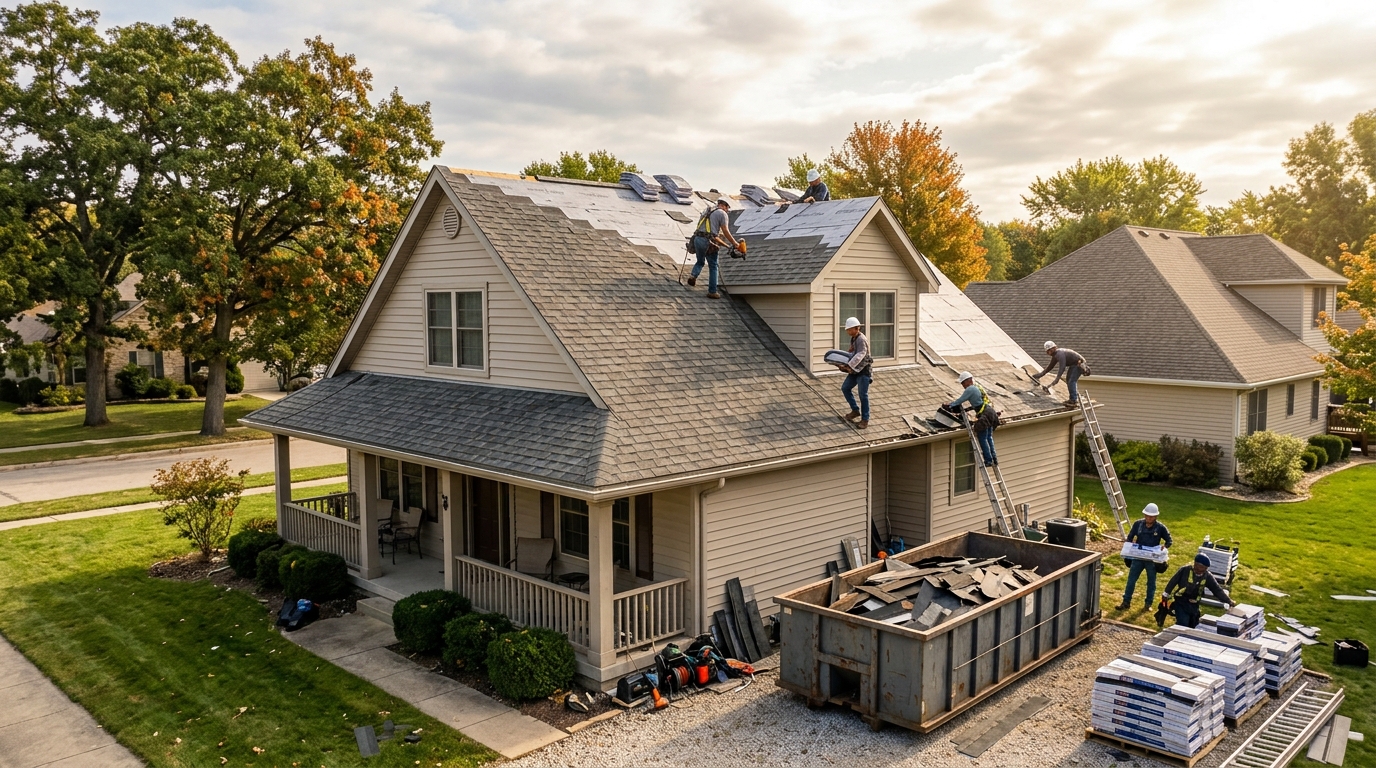
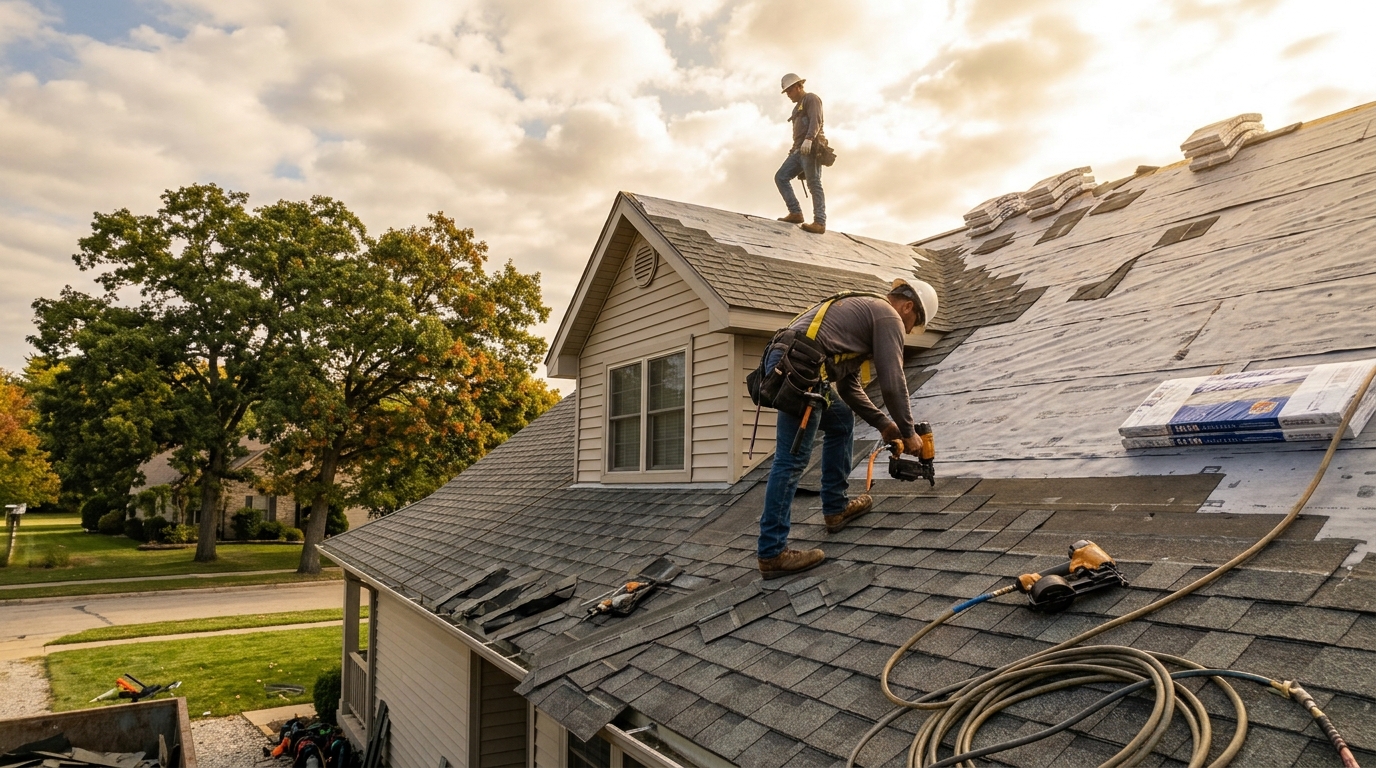
Labor typically accounts for 40 to 60 percent of the total roof replacement cost, and it covers far more than simply nailing down new shingles. A thorough roofing job includes tearing off and disposing of the old roofing material, inspecting and repairing the underlying roof deck, installing new underlayment and ice-and-water barriers where needed, applying new flashing around chimneys, vents, and skylights, and installing ridge caps and ventilation components. For a 1,500 square foot house, labor alone can range from $3,000 to $8,000 depending on the complexity of the roof, the local cost of skilled labor, and how much deck repair is required once the old roofing is removed.
Roof complexity matters significantly here. A simple gable roof with a single, uninterrupted slope is faster and cheaper to work on than a roof with multiple valleys, dormers, skylights, or steep pitches that require additional safety equipment and slower, more careful work. Contractors often charge a premium for steep-slope work because it is more time-consuming and carries greater risk.
Regional Impact on Roof Replacement Costs
One of the most important, and often underestimated, factors in answering how much it costs to replace a roof on a 1,500 square foot house is regional variation. Roofing costs are heavily influenced by local labor rates, material availability, climate demands, and even local building codes, and these regional differences can shift your total project cost by thousands of dollars.
In coastal and hurricane-prone regions such as Florida, the Gulf Coast, and parts of the Carolinas, roofing costs tend to run higher because building codes require wind-resistant materials and reinforced installation methods designed to withstand high wind uplift. Homeowners in these regions often pay a premium of 10 to 25 percent above the national average for compliant roofing systems.
In colder northern states and mountainous regions, ice-and-water shield underlayment is often mandatory to prevent ice dam damage, adding to material costs. Steep-slope roofs designed to shed heavy snowfall are also more common in these areas, which increases labor complexity and, consequently, price.
Urban centers with a higher cost of living, such as major metropolitan areas on the East and West Coasts, typically see higher labor rates than rural or suburban areas in the Midwest or South. It is not unusual for the same roofing job to cost 20 to 40 percent more in a large coastal city compared to a smaller inland town, purely due to differences in labor pricing, permitting fees, and demand for skilled contractors.
Climate also drives material choice regionally. In wildfire-prone areas of the western United States, many local building codes now require fire-resistant roofing materials, which can rule out untreated wood shakes and push homeowners toward asphalt, metal, or tile. In hot, sun-intensive climates like the Southwest, reflective or “cool roof” materials are increasingly popular for their energy efficiency, though they may carry a modest cost premium over standard shingles.
Additional Costs Homeowners Often Overlook
Beyond materials and base labor, several additional expenses can affect the final bill, and failing to budget for them is one of the most common mistakes homeowners make when planning a roof replacement.
Permit fees are required in most municipalities and typically range from $150 to $500, depending on local regulations. Old roof removal and disposal fees can add another $1,000 to $2,000, particularly if multiple layers of old shingles need to be stripped away, since dumpster rental and landfill fees are not insignificant. If the roofing crew discovers rotted or damaged decking once the old material is removed, plywood or OSB board replacement typically costs an additional $70 to $150 per sheet, and it is common for at least a few sheets to need replacing on an older roof. Improving attic ventilation, adding ridge vents, or upgrading insulation during the roofing project can add several hundred to a couple thousand dollars but often pays for itself through improved energy efficiency. Chimney flashing repair, skylight installation or replacement, and gutter replacement are also frequently bundled into roofing projects, each adding its own line item to the final invoice.
Roof Replacement Cost Comparison Table (In Narrative Form)
To put the numbers into perspective, consider a mid-range scenario for a 1,500 square foot house with a moderately pitched roof and average complexity. With standard three-tab asphalt shingles, a homeowner might expect a total cost near $7,500. Moving up to architectural asphalt shingles, that figure rises to roughly $9,500. A metal standing-seam roof on the same house would likely land closer to $16,000, while a wood shake roof might come in around $13,000. At the premium end, a slate or high-end tile roof on this same home could realistically approach $25,000 or more. These figures are illustrative averages; actual quotes will vary based on contractor, region, and the specific condition of the existing roof structure.
Factors That Influence the Final Price
Several variables beyond material and labor influence what you will ultimately pay. Roof pitch is significant—steep roofs require additional safety measures, harnesses, and scaffolding, which increases labor time and cost. The number of roof layers currently in place matters too; many homes have one or two layers of old shingles, and removing multiple layers takes more time and generates more disposal waste than a single-layer tear-off. Roof accessories such as chimneys, skylights, vents, and dormers each require careful flashing work, and more of these features generally means more labor hours. The condition of the roof deck underneath the shingles is another wildcard; a well-maintained deck requires minimal repair, while a deck with water damage or rot can add unexpected cost. Finally, contractor reputation and experience play a role—established, licensed, and well-reviewed roofing companies often charge more than newer or less experienced crews, but that premium frequently reflects better workmanship, stronger warranties, and more reliable project management.
Financing and Insurance Considerations
Because roof replacement represents a significant expense, many homeowners explore financing options rather than paying entirely out of pocket. Home equity loans, home equity lines of credit, and personal loans are common financing routes, and some roofing companies offer in-house financing plans with fixed monthly payments. It is worth comparing interest rates carefully, since financing costs can add meaningfully to the total price of the project over time.
Homeowners insurance can also play a role, particularly if the roof damage resulted from a covered event such as a storm, hail, fallen tree, or fire. In these cases, insurance may cover all or part of the replacement cost, minus your deductible. However, insurance typically does not cover roof replacement due to normal wear and aging, so a roof nearing the end of its expected lifespan without storm-related damage will usually need to be paid for directly by the homeowner. It is advisable to document the roof’s condition with photographs, keep maintenance records, and consult with your insurance provider before assuming coverage applies.
Comparing Full Replacement to Roof Repair
Not every roofing issue requires a full replacement. If damage is isolated to a small section, such as a few missing shingles after a storm or a localized leak around a vent pipe, targeted repairs may cost only a few hundred to a couple thousand dollars. However, if the roof is nearing or past its expected lifespan, has widespread wear across multiple sections, or has sustained structural damage, repeated repairs often become a costly stopgap that delays an inevitable full replacement. Roofing professionals generally recommend full replacement when repair costs would exceed roughly 30 percent of the price of a new roof, or when the existing roofing material has less than a few years of useful life remaining regardless of individual repairs.
Choosing the Right Roofing Contractor
Selecting a qualified contractor is just as important as choosing the right material, since even premium materials will underperform if installed incorrectly. Homeowners should request multiple detailed quotes, verify that contractors are properly licensed and insured in their state, and ask for references or examples of previous work. A reputable contractor will provide a written estimate that breaks down material costs, labor charges, disposal fees, and warranty terms clearly, rather than offering a vague lump-sum figure. It is also wise to confirm whether the warranty covers both materials and workmanship, since a manufacturer’s material warranty does not protect against installation errors unless the contractor’s workmanship warranty is also in place.
Energy Efficiency and Long-Term Value
A roof replacement is also an opportunity to improve a home’s energy efficiency. Reflective or “cool roof” shingles, improved attic insulation, and better ventilation can reduce cooling costs in warmer climates, while proper insulation and ice-and-water barriers can reduce heating losses in colder regions. Some energy-efficient roofing upgrades may qualify for local utility rebates or tax incentives, which can offset a portion of the upfront investment. Beyond energy savings, a new roof also tends to improve a home’s resale value and curb appeal, and real estate professionals frequently note that a recently replaced roof is a strong selling point that can shorten time on market and support a stronger asking price.
Common Mistakes Homeowners Make During Roof Replacement Projects
Many homeowners make avoidable mistakes that end up costing them more in the long run. Choosing the cheapest quote without verifying licensing, insurance, or workmanship history is one of the most frequent errors, often resulting in subpar installation that leads to premature failure. Skipping proper attic ventilation upgrades is another common oversight, since inadequate ventilation can shorten the lifespan of even high-quality shingles by trapping heat and moisture. Failing to budget for potential deck repair is a third pitfall; homeowners who assume the base quote is the final price are often surprised by additional charges once old roofing material is removed and hidden damage is revealed. Finally, neglecting to read warranty terms carefully can leave homeowners without recourse if problems arise a few years down the line.
Future Outlook: Roofing Trends and Cost Projections
Looking ahead, several trends are shaping the roofing industry and, by extension, future costs. Material prices for asphalt shingles have experienced periodic volatility tied to petroleum-based inputs, while metal roofing has become more accessible as manufacturing scales up and more contractors gain experience installing it. Solar-integrated roofing, including solar shingles and lightweight panel systems designed for seamless roof integration, is a growing segment expected to become more mainstream and increasingly affordable in the coming years. Climate-driven building code changes, particularly in wind- and fire-prone regions, are also likely to push more homeowners toward higher-durability materials, which may raise average project costs but extend the interval between replacements. Labor shortages in skilled trades, including roofing, continue to put upward pressure on labor costs in many regions, making it worthwhile for homeowners to plan roofing projects with some lead time rather than waiting for emergency repairs.
Final Thoughts on Budgeting for Your Roof Replacement
Answering the question of how much it costs to replace a roof on a 1,500 square foot house ultimately comes down to a combination of material choice, regional pricing, roof complexity, and contractor selection. While a reasonable planning range for most homeowners falls between $7,000 and $16,000 for common materials like asphalt shingles or entry-level metal roofing, the final number depends heavily on the specific circumstances of your home and location. Getting multiple detailed quotes, understanding what is included in each estimate, and planning for potential hidden costs like deck repair will help you avoid budget surprises and choose a roofing solution that offers genuine long-term value rather than the lowest possible upfront price.
Frequently Asked Questions
What is the average cost to replace a roof on a 1,500 square foot house?
The average cost typically ranges from $6,000 to $16,000, with most homeowners paying between $9,500 and $11,000 for a standard asphalt shingle roof, depending on material choice, labor rates, and roof complexity.
How long does it take to replace a roof on a house this size?
Most roof replacements on a 1,500 square foot home take between one and three days, assuming favorable weather and no major structural repairs are needed. More complex roofs or premium materials like slate or tile can extend the timeline.
Does the cost to replace a roof on a 1,500 square foot house include tear-off of the old roof?
Most professional quotes include tear-off and disposal of the existing roofing material, but it is important to confirm this explicitly with your contractor, since some lower quotes may exclude disposal fees.
Is metal roofing worth the higher upfront cost compared to asphalt shingles?
For homeowners planning to stay in their property long-term, metal roofing often proves cost-effective due to its 40-to-70-year lifespan, energy efficiency, and reduced maintenance needs, even though the initial investment is higher than asphalt shingles.
Will homeowners insurance cover the cost to replace my roof?
Insurance typically covers roof replacement only when damage results from a covered event such as a storm, hail, or fire, and not from routine aging or wear. Reviewing your policy and documenting damage is essential before filing a claim.
How can I reduce the overall cost of my roof replacement project?
Getting multiple quotes, scheduling the project during a contractor’s off-peak season, choosing mid-range materials like architectural asphalt shingles, and addressing minor deck repairs proactively can all help keep costs manageable.
What roofing material offers the best value for a 1,500 square foot home?
For most homeowners, architectural asphalt shingles offer the best balance of cost, durability, and aesthetic appeal, while metal roofing is a strong choice for those prioritizing long-term durability and energy efficiency over lower upfront cost.