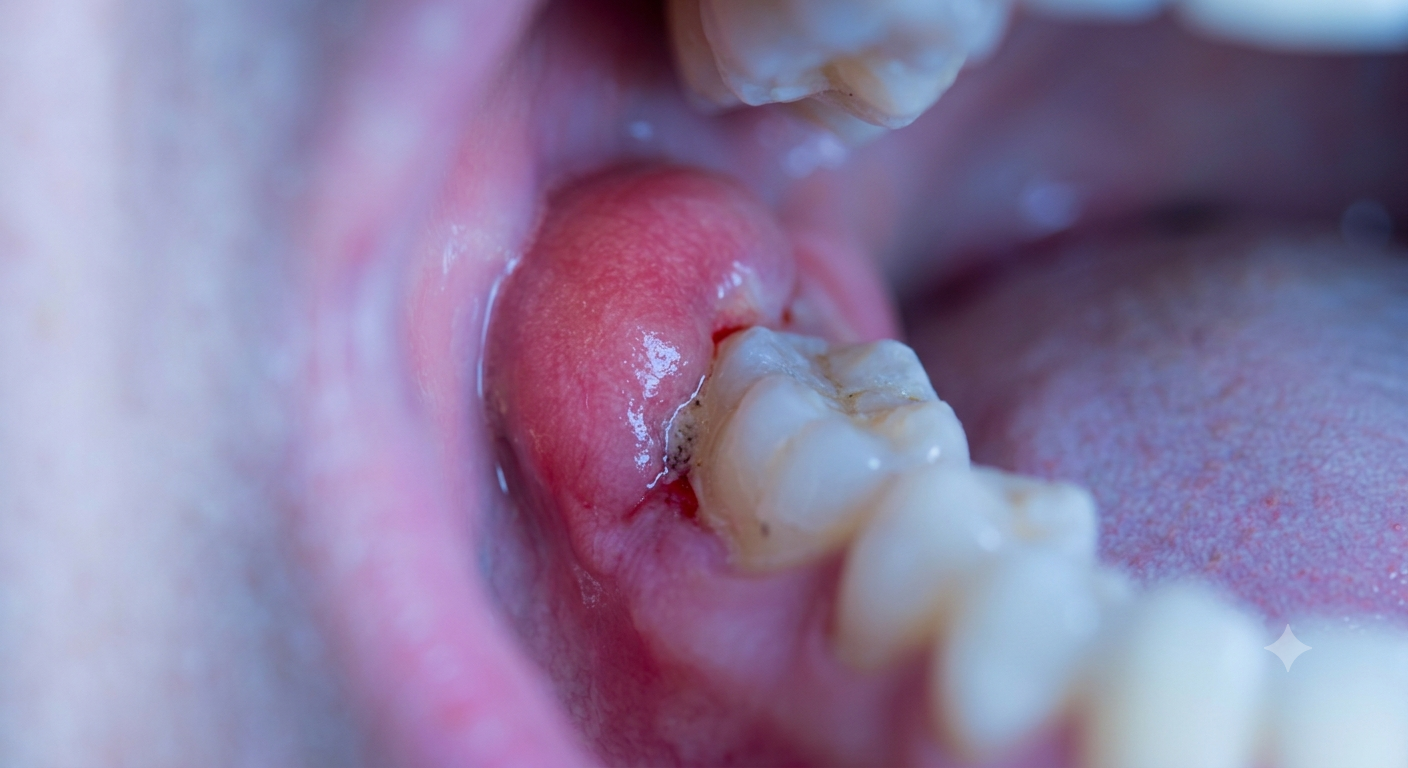
Why Is My Gum Swollen Around One Tooth in the Back? Causes, Treatment, and Prevention Explained
Waking up and noticing that one specific spot in your mouth feels puffy, tender, or irritated can be unsettling, especially when the rest of your gums look and feel completely normal. If you have been asking yourself, “why is my gum swollen around one tooth in the back,” you are not alone. This is one of the most common dental complaints people search for online, and it usually has a clear, identifiable cause. The good news is that localized gum swelling around a single molar or premolar is rarely a medical emergency, but it is also not something you should ignore for too long, because the underlying cause can range from a simple piece of trapped food to a more serious infection that needs professional dental care.
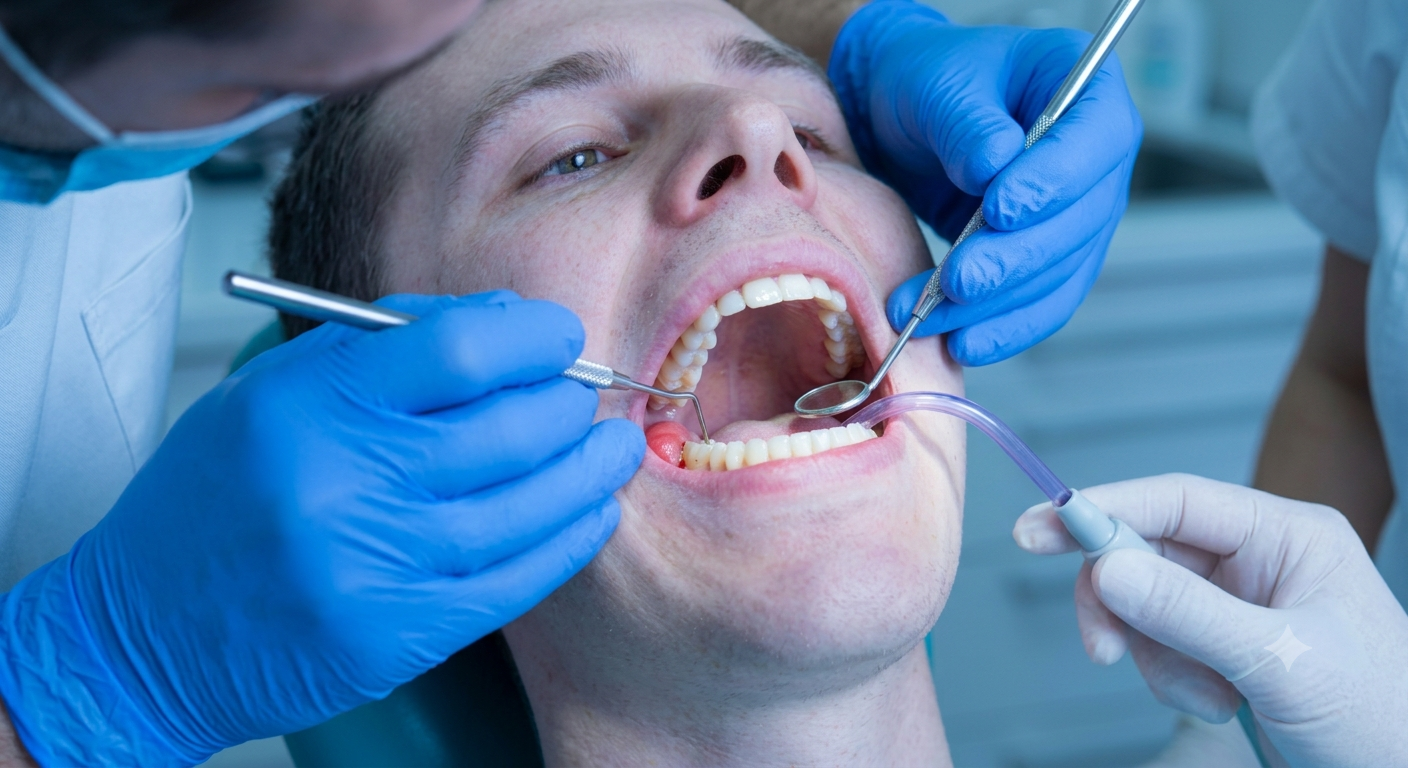
This comprehensive guide walks you through everything you need to know about isolated gum swelling near a back tooth — what causes it, how it develops, what the warning signs look like, how dentists diagnose and treat it, how it compares to more widespread gum problems, and what you can do at home to manage discomfort while you wait for or schedule a dental visit. By the end, you will have a clear, practical understanding of why this happens and what steps to take next.
Understanding Why Gum Swelling Often Targets Just One Tooth
Gum tissue, medically referred to as the gingiva, surrounds and protects the roots of your teeth and the underlying bone. When you notice swelling confined to the gum tissue around a single tooth in the back of your mouth, rather than widespread inflammation across your entire mouth, it usually signals a localized irritant or infection rather than a systemic issue. This distinction matters a great deal, because generalized gum disease affecting the whole mouth is typically driven by long-term plaque and tartar accumulation, while a swollen gum around one tooth in the back is far more often linked to something specific happening in that exact location — a piece of food wedged between teeth, a cracked filling, an erupting wisdom tooth, or a localized infection at the root tip.
The back teeth, particularly the molars and wisdom teeth, are especially prone to this kind of isolated swelling because they are harder to clean thoroughly, sit farther back where visibility is limited, and often have deep grooves and tight contact points where debris can accumulate unnoticed. Understanding this regional vulnerability is the first step toward figuring out exactly why your gum swelling is happening only around one tooth in the back rather than throughout your mouth.
The Most Common Causes of Localized Gum Swelling Near a Back Tooth
Food Impaction and Trapped Debris
One of the simplest and most frequent explanations for a swollen gum around one tooth in the back is food impaction. When fibrous or sticky food particles — popcorn hulls, meat fibers, seeds, or bread — become wedged tightly between two back teeth or beneath the gumline, they irritate the surrounding soft tissue. Within hours, the gum can become inflamed, tender to touch, and visibly puffy. This type of swelling is usually accompanied by a dull ache and sometimes a foul taste, and it often resolves quickly once the trapped material is removed through careful flossing or a dental visit.
Gingivitis Localized to One Area
While gingivitis is often thought of as a mouth-wide condition, it can absolutely present in a localized pattern, especially in areas where brushing and flossing are inconsistent. If you tend to rush through cleaning your back teeth or avoid that side of your mouth due to sensitivity, plaque can build up specifically around one tooth, leading to isolated redness, swelling, and occasional bleeding when you brush.
Pericoronitis Around an Erupting Wisdom Tooth
Pericoronitis is an extremely common reason for a swollen gum around one tooth in the back, particularly in people between the ages of seventeen and twenty-five whose wisdom teeth are still emerging. When a molar only partially breaks through the gum, a flap of tissue called an operculum forms over part of the tooth. Food and bacteria easily become trapped underneath this flap, leading to infection, swelling, tenderness, and sometimes difficulty opening the mouth fully. This condition frequently causes the gum around a single back tooth to appear noticeably swollen, red, and sometimes swollen enough to be visibly puffier than the surrounding tissue.
Dental Abscess or Infection at the Tooth Root
A more serious but still common cause is a periapical abscess, which develops when bacteria infect the pulp of a tooth, usually due to untreated decay, a cracked tooth, or a failed previous filling or crown. As the infection progresses, pus can accumulate at the root tip and push upward, causing the gum around that one tooth to swell, sometimes forming a small pimple-like bump called a fistula. This type of swelling is often accompanied by throbbing pain, sensitivity to hot or cold, and occasionally a bad taste if the abscess drains on its own.
Periodontal Abscess
Distinct from a periapical abscess, a periodontal abscess originates in the gum pocket beside the tooth rather than inside the tooth itself. It typically develops when bacteria and debris become trapped in a deep gum pocket, often in people who already have some degree of gum disease. This can cause rapid, localized swelling around one specific tooth, along with pain when chewing and sometimes a visible bubble of pus along the gumline.
Ill-Fitting Fillings, Crowns, or Dental Work
If a filling, crown, or bridge on a back tooth is slightly overhanging, poorly contoured, or not properly polished, it can create a ledge where plaque collects and irritates the adjacent gum tissue continuously. Over weeks or months, this chronic irritation can cause the gum around that single tooth to swell, even if your oral hygiene elsewhere is excellent.
Cracked Tooth or Fractured Cusp
A hairline crack in a back molar, often from grinding, chewing ice, or biting down on something hard, can allow bacteria to seep into the tooth and irritate the surrounding gum without causing an obvious cavity. This is sometimes called cracked tooth syndrome, and the gum swelling can be one of the earlier warning signs before pain becomes constant.
Trauma or Physical Irritation
Accidentally biting your cheek or gum while chewing, aggressive brushing with a hard-bristled toothbrush, or even a sharp edge of food like a chip or cracker can physically injure gum tissue around a back tooth, leading to temporary but noticeable swelling.
Hormonal Fluctuations
Although less commonly localized, hormonal changes during pregnancy, puberty, or certain phases of the menstrual cycle can make gum tissue more sensitive and prone to swelling, sometimes more noticeably in one area than others, particularly if there is already mild plaque buildup in that spot.
Symptoms That Often Accompany a Swollen Gum Around One Back Tooth
When a swollen gum around one tooth in the back develops, it is rarely an isolated symptom. Most people also notice some combination of redness or a darker pink-to-purple discoloration of the gum tissue, tenderness or sharp pain when chewing on that side, mild bleeding when brushing or flossing near the affected tooth, warmth in the localized area, bad breath or an unpleasant taste, and occasionally slight fever if an infection is present. In cases involving pericoronitis or an abscess, you might also experience difficulty fully opening your jaw, swelling that extends toward the cheek or jawline, and swollen lymph nodes under the chin or along the neck. Recognizing this cluster of symptoms helps you and your dentist narrow down the exact cause more efficiently.
When Swollen Gum Around One Tooth in the Back Signals an Emergency
While many cases of localized gum swelling are manageable and not urgent, certain warning signs indicate you should seek dental or medical attention promptly. These include swelling that spreads rapidly to your cheek, jaw, or neck; difficulty breathing or swallowing; a fever above 101°F accompanied by facial swelling; severe, throbbing pain that does not respond to over-the-counter pain relievers; or a feeling of pus draining in your mouth. These symptoms can point to a spreading dental infection, which in rare but serious cases can become dangerous if bacteria reach deeper facial spaces or the bloodstream. If you experience any of these, contacting an emergency dental clinic or urgent care facility is strongly advised rather than waiting for a routine appointment.
How Dentists Diagnose the Cause of Isolated Gum Swelling
When you visit a dentist because your gum is swollen around one tooth in the back, the diagnostic process typically begins with a visual and physical examination. The dentist will check for visible debris, signs of decay, cracks, or issues with existing dental work, and will gently probe the gum pocket depth around the affected tooth to check for periodontal involvement. Dental X-rays are almost always taken, since they reveal issues invisible to the naked eye, such as bone loss around the root, an abscess forming beneath the surface, impacted wisdom teeth, or a fracture line within the tooth structure.
In some cases, the dentist may perform a pulp vitality test to determine whether the nerve inside the tooth is alive, infected, or dead, which helps distinguish between a periodontal issue and one originating from inside the tooth. Based on these findings, your dentist can pinpoint precisely why the gum around that one back tooth is swollen and recommend an appropriate treatment plan.
Treatment Options Based on the Underlying Cause
Professional Cleaning and Debris Removal
If the cause is simple food impaction or localized plaque buildup, a thorough professional cleaning, sometimes combined with flossing instruction and antiseptic mouth rinse recommendations, is often enough to resolve the swelling within a few days.
Operculectomy or Wisdom Tooth Extraction
For pericoronitis, treatment usually starts with cleaning beneath the gum flap and prescribing antibiotics if infection is present. If the problem recurs, your dentist may recommend either removing the flap of gum tissue (a procedure called an operculectomy) or extracting the wisdom tooth entirely, especially if it is impacted or unlikely to erupt properly.
Root Canal Therapy
When the swelling stems from an infected tooth pulp, a root canal is typically the recommended treatment. This procedure removes the infected tissue from inside the tooth, disinfects the canal, and seals it, allowing the gum swelling to subside as the underlying infection clears.
Periodontal Treatment
For a periodontal abscess or localized gum disease, deep cleaning procedures such as scaling and root planing may be necessary to remove bacteria and calculus from beneath the gumline. In more advanced cases, minor gum surgery might be required to reduce pocket depth and prevent recurrence.
Restorative Correction
If an overhanging filling or poorly fitted crown is the culprit, your dentist will typically reshape, replace, or refit the restoration so it no longer traps plaque against the gum tissue.
Antibiotics and Pain Management
Depending on the severity of infection, your dentist may prescribe a short course of antibiotics alongside anti-inflammatory pain relievers to control swelling and discomfort while the primary issue is being treated.
Home Care Strategies While You Wait to See a Dentist
If your dental appointment is a few days away and you are managing mild discomfort in the meantime, there are several gentle measures that can help. Rinsing with warm salt water two to three times daily helps reduce bacteria and soothe inflamed tissue. Gently flossing around the affected tooth, being careful not to force the floss aggressively, can dislodge trapped debris. Applying a cold compress to the outside of your cheek for fifteen minutes at a time can reduce swelling, while over-the-counter pain relievers like ibuprofen can manage discomfort and inflammation simultaneously. Switching temporarily to a soft-bristled toothbrush and avoiding chewing directly on the affected side also gives the tissue a chance to calm down. It is worth noting that these measures manage symptoms rather than address the root cause, so a dental evaluation remains important even if the swelling temporarily improves.
Comparing Localized Gum Swelling to Other Common Gum Conditions
Understanding how a swollen gum around one tooth in the back differs from other gum-related issues can help you gauge urgency and likely causes. Generalized gingivitis affects the gums broadly across the mouth and is usually linked to overall oral hygiene habits rather than a single localized trigger. Chronic periodontitis, an advanced and progressive form of gum disease, tends to affect multiple teeth simultaneously and is associated with long-term bone loss, whereas isolated swelling around a single back tooth is more often tied to a specific, identifiable event or structural issue in that exact spot. Canker sores, another common cause of oral discomfort, typically appear as small, shallow ulcers rather than diffuse swelling and are not usually confined to the gumline around one particular tooth. Recognizing these distinctions helps clarify that when swelling is isolated to one tooth in the back, the cause is almost always mechanical, structural, or infection-related rather than a broad hygiene failure.
Real-World Scenarios: How This Commonly Plays Out
Many people describe a strikingly similar pattern when they notice their gum is swollen around one tooth in the back. A common scenario involves eating something fibrous like corn on the cob or steak, followed within a day by localized soreness and puffiness that resolves once the trapped fiber is flossed out. Another frequent pattern involves young adults in their late teens or early twenties who notice recurring swelling and tenderness around their lower back molars, which turns out to be pericoronitis from an emerging wisdom tooth, often flaring up during periods of stress or reduced sleep when the immune system is less able to keep bacteria in check. A third common pattern involves someone with an older filling who notices gradual, persistent puffiness around one specific tooth over several months, which is eventually traced back to a slightly overhanging restoration that had been quietly irritating the gum the entire time. These scenarios illustrate why paying attention to timing, recent dietary habits, and the specific tooth involved can offer valuable clues even before you see a dentist.
Long-Term Prevention Strategies
Preventing recurring gum swelling around a specific back tooth starts with consistent, thorough oral hygiene focused specifically on hard-to-reach areas. Using a soft-bristled or electric toothbrush angled toward the gumline, flossing daily with particular attention to back teeth, and considering interdental brushes or a water flosser for tight spaces between molars can significantly reduce the risk of trapped debris and plaque buildup. Routine dental checkups every six months allow your dentist to catch small issues, such as an early crack or a slightly rough filling edge, before they progress into recurring inflammation. If you have wisdom teeth that are partially erupted, discussing removal options proactively with your dentist can prevent repeated episodes of pericoronitis. Additionally, maintaining a balanced diet rich in vitamin C and staying well hydrated supports overall gum tissue health and resilience against localized irritation.
Challenges People Face in Addressing This Issue
Despite how common this problem is, many people delay seeking treatment because the swelling seems minor or intermittent, especially when it temporarily improves after a warm salt water rinse. This delay can allow an underlying issue, such as a slow-growing abscess or a worsening crack, to progress further before it is properly diagnosed. Access to affordable dental care is another real challenge for many individuals, which sometimes leads people to rely solely on home remedies for extended periods rather than obtaining a proper diagnosis. There is also a common misconception that gum swelling around a single tooth will always resolve on its own, when in reality, structural causes like cracked teeth or overhanging restorations will not improve without professional intervention, regardless of how consistently home care is applied.
Future Outlook: Advances in Diagnosis and Treatment
Dental care continues to evolve in ways that make identifying and treating localized gum swelling faster and more precise. Digital imaging and 3D cone-beam scans are increasingly used to detect subtle bone loss or abscess formation that traditional X-rays might miss, allowing for earlier intervention. Minimally invasive techniques for wisdom tooth management, improved antimicrobial rinses, and better-designed dental materials that reduce plaque retention around fillings and crowns are all contributing to fewer recurring cases of isolated gum inflammation. As awareness grows around the importance of localized oral symptoms as early warning signs, more people are seeking care proactively rather than waiting for pain to become severe, which is gradually shifting dental care toward earlier, less invasive treatment overall.
The Role of Diet and Lifestyle in Localized Gum Health
While diet is often discussed in the context of overall oral health, it plays a surprisingly direct role in why a swollen gum around one tooth in the back can develop and persist. Sticky, sugary foods that cling to the deep grooves of molars feed the bacteria responsible for plaque formation, and because back teeth are harder to clean thoroughly, this effect tends to concentrate in one area rather than spreading evenly. Acidic beverages such as soda and citrus juices can also soften enamel around a specific tooth that already has a weak spot, such as an old filling margin, making it easier for bacteria to infiltrate and trigger localized inflammation. On the other hand, crunchy vegetables, foods rich in fiber, and adequate hydration help stimulate saliva flow, which naturally rinses away debris from hard-to-reach back teeth throughout the day. Smoking and tobacco use, including vaping, are also worth mentioning here, since nicotine restricts blood flow to gum tissue, which can mask early swelling while simultaneously slowing healing once an infection or irritation does take hold. People who smoke often report that a swollen gum around one back tooth takes noticeably longer to resolve compared to non-smokers, even when receiving identical dental treatment, which underscores how lifestyle factors can directly influence recovery timelines.
How Age and Dental History Influence the Likelihood of Localized Swelling
The likelihood of experiencing a swollen gum around one specific back tooth changes considerably across different life stages, and understanding this can help you anticipate and address the issue more effectively. Teenagers and young adults are especially prone to pericoronitis as their second molars and wisdom teeth erupt, often experiencing their first episode of localized gum swelling during this developmental window. Adults in their thirties and forties, particularly those with a history of fillings, crowns, or root canals on their back teeth, are more likely to experience swelling related to aging restorations, marginal leakage, or early cracks developing from years of chewing stress. Older adults, especially those with a longer history of gum recession or mild periodontal disease, may notice that swelling around one back tooth develops more easily because the supporting tissue and bone have already been somewhat compromised over time, making that area more vulnerable to localized irritation or infection. Recognizing where you fall within this pattern can help you and your dentist anticipate which cause is statistically most probable, streamlining diagnosis and treatment.
The Psychological and Practical Impact of Ongoing Gum Discomfort
It is easy to underestimate how disruptive a seemingly minor issue like a swollen gum around one tooth in the back can be to daily life. Persistent discomfort in the back of the mouth often changes how people chew, leading many to unconsciously favor one side of their jaw for weeks or even months. Over time, this uneven chewing pattern can contribute to jaw muscle tension, mild headaches, or discomfort in the temporomandibular joint. Sleep can also be affected, particularly when swelling is accompanied by throbbing pain that intensifies when lying down due to increased blood flow to the head. Beyond the physical effects, ongoing oral discomfort can make people self-conscious about bad breath or visible swelling, sometimes leading to reduced confidence in social situations or reluctance to eat certain foods in front of others. Addressing the underlying cause promptly not only resolves the physical swelling but also restores normal chewing patterns, better sleep quality, and everyday comfort that is easy to take for granted until it is disrupted.
What Dentists Wish Patients Knew About This Common Complaint
Dental professionals frequently note that patients wait far longer than necessary before seeking care for a swollen gum around one tooth in the back, often because the discomfort is intermittent rather than constant. Many dentists emphasize that intermittent swelling, meaning symptoms that flare up and then subside repeatedly over weeks or months, is actually one of the clearest signals that a structural or infectious cause is present, since simple food impaction typically resolves permanently once the debris is removed and does not return unless the same situation repeats. Dentists also point out that patients often assume swelling near a back tooth must be linked to poor oral hygiene, when in fact excellent brushers and flossers can still develop this issue due to anatomical factors like a partially erupted wisdom tooth or a hairline crack that has nothing to do with cleaning habits. This distinction matters because it helps remove unnecessary guilt or hesitation that sometimes keeps people from seeking help sooner, when early intervention is almost always simpler, less costly, and less uncomfortable than waiting until the problem intensifies.
Bringing It All Together
If you have been wondering why your gum is swollen around one tooth in the back, the explanation almost always comes down to something specific happening in that exact location, whether it is trapped food, an emerging wisdom tooth, a cracked restoration, or an infection at the tooth root. While mild cases often resolve with careful home care, persistent or worsening swelling around a single back tooth deserves a proper dental evaluation, since several of the underlying causes will not improve without targeted treatment. Paying attention to accompanying symptoms, acting promptly when warning signs appear, and maintaining consistent oral hygiene habits focused on your back teeth are the most effective ways to both resolve the current issue and prevent it from recurring in the future.